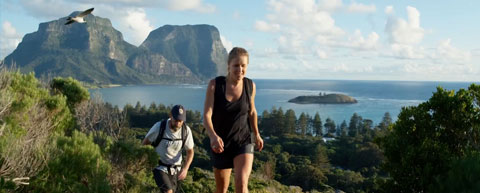
Meet a guide from the Maria Island Walk
In the fourth edition of our “Meet the Guide” series, we’re heading off the coast of Tasmania…
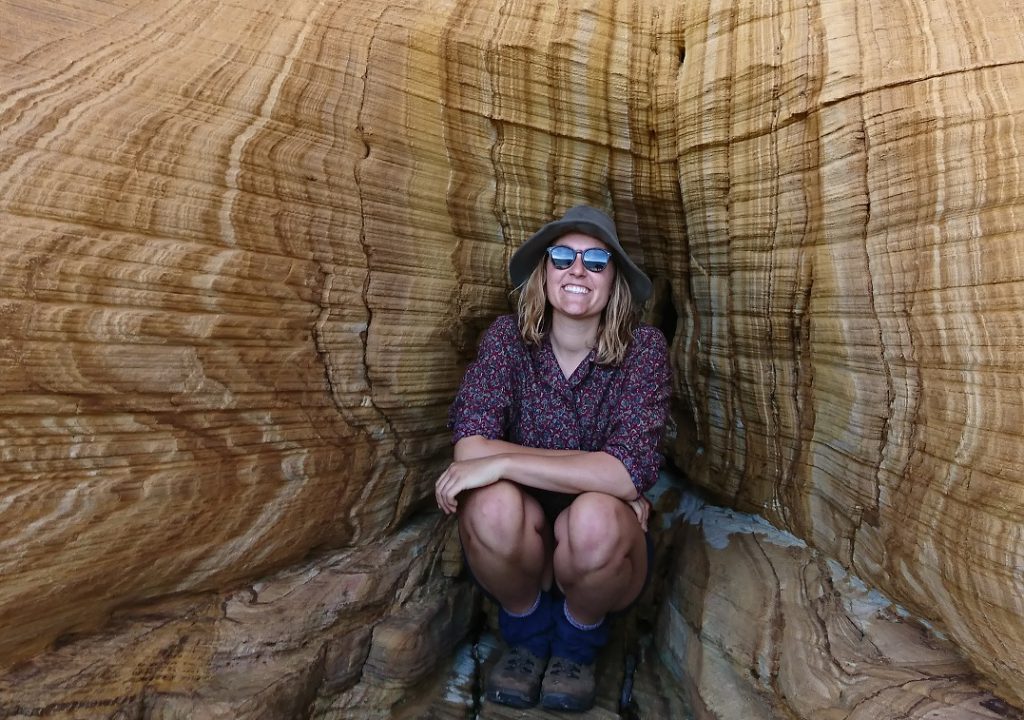
Introducing…
GUIDE: JO MCCORMACK
WALK: THE MARIA ISLAND WALK
Where are you from?
Originally from the North-West coast of Tassie, I grew up hiking with my family, mostly around the central highlands of Tasmania.
What is your background?
I’ve had a growing sense of wonder and love for Tassie’s wilderness from a very young age. I completed the guiding course at TasTAFE in 2014.
Have you been a guide anywhere else?
I’ve worked on the east coast of Tasmania, in the Tarkine Rainforest and on the Larapinta Trail in Central Australia.
Why did you choose to become a guide?
I love the variety of different experiences offered in all of these places, it’s a pleasure to share my passion for the outdoors with visitors. I’ve always loved the beach and am an avid surfer, so working on an island like Maria where I can swim each day is a dream come true.
What’s your favourite part of the Maria Island Walk?
Maria Island has such a diverse landscape and history. From tens of thousands of years of Aboriginal history through to the current conservation work happening on the island, such as the introduction of the Tasmanian Devils a few years ago.
What passion do you share with your guests while walking?
There is so much to share with guests that come on this walk! I always have plant books in my backpack. I love watching the different flowering plants changing throughout the season, as well as trying a variety of edible plants that fruit over the summer.
Any advice for someone coming on a guided walk for the first time?
If I had one piece of advice for someone coming on a guided walk for the first time it would be to make sure you walk in your boots (before you come) and that you never (ever!) regret a swim!
If Jo’s insight into The Maria Island Walk has you wanting to learn more, view the full walk itinerary and more here.
Our Murray River Walk has recently been awarded the highest level of ecotourism certification in Australia, a Certificate of Advanced Ecotourism.
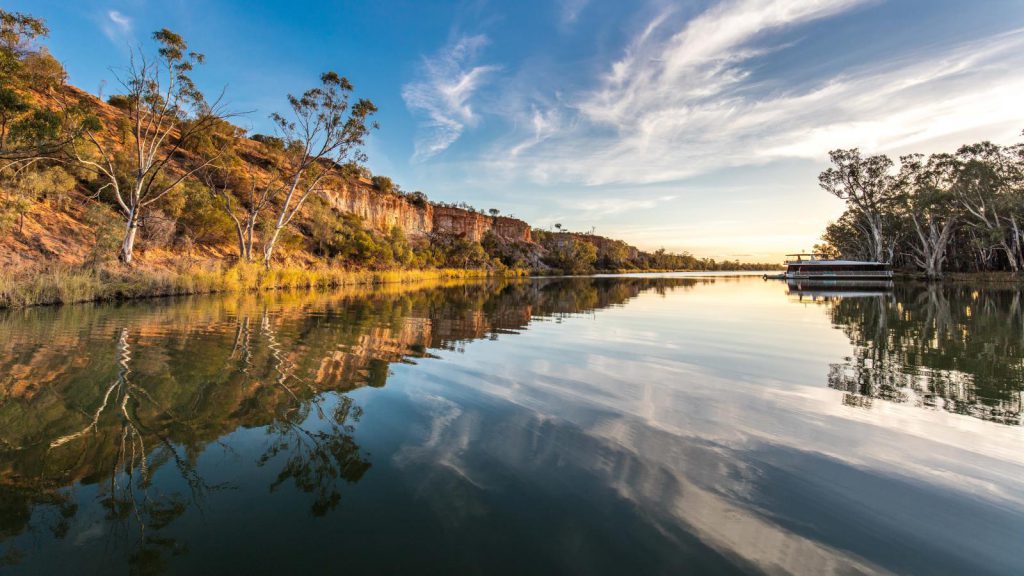
The certificate is only awarded to Australia’s leading and most innovative ecotourism products that operate with minimal impact on the environment. Advanced Ecotourism operators must provide opportunities to learn about the environment, be committed to achieving best practice, use resources wisely, contribute to conserving the environment and help local communities. This recognition highlights the Murray River Walks commitment to the environment and its exceptional product offering.
“Our guests can feel confident that the experience we provide has a minimal impact on the environment and that they will learn about the environment in which they are exploring with their guides,” said Managing Director, and Guide, Tom Sharley.
Utilising houseboat accommodation and natural bush trails, Murray River Walk has a ‘leave no trace’ approach, ensuring that the bush returns to its natural state of peace after small groups of 10 guests and two guides have passed by.
Murray River Walk supports local conservation projects at Calperum Station (Australian Landscapes Trust), Murtho Forest Reserve and the Chowilla Floodplain Icon Site. Walk founder, Tony Sharley says, ‘We are passionate advocates for a healthy Murray River and our aim is to help our guests connect to this iconic part of Australia.’
Read More on the Murray River Walk and view departure dates here.
Be quick to snap up one of the remaining places on the Cape to Cape Walk this May & June 2019, and save $300 per solo traveller and $600 per couple!
The 4 day Cape to Cape Walk includes:
- 3 nights luxury pool villa accommodation at Injidup Spa Retreat
- 4 days guided walking on the Cape to Cape Track
- all food and wine including local cheese and wine in your villa
- private chef dinner showcasing local produce and wines
- 4 course lunch with matched wines at award-winning winery, Wills Domain
- dinner with wine at Cape Lodge
- all track/luggage transfers (carry only a daypack)
- return Perth to Margaret River transfers
Be quick to book at the special rate – strictly limited places.
View the departure dates available here NOW
Find out more about the Margaret River Cape to Cape Walk here
Flush with new fruit and the scents of fermenting wines during harvest… it’s always a great season to go beyond the cellar door.
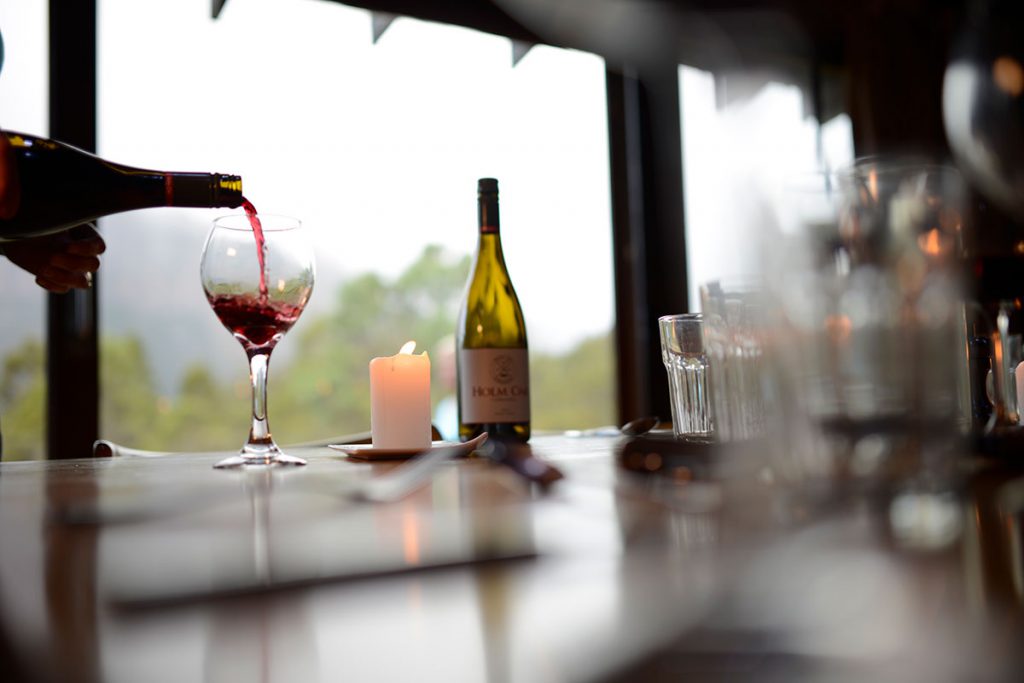
Heading to Tasmania on a walk? Link it in with some more time in the region and consumption of some of our widely recognised wines, including Australia’s best sparkling whites. Tasmania is also rapidly developing a reputation among the world’s best for Pinot Noir and Chardonnay.
Our walks in Tasmania now include Cradle Mountain Huts Walk and Bay of Fires Lodge Walk, accessed from Launceston in the North; plus Maria Island Walk, Freycinet Experience Walk and Three Capes Lodge Walk, all accessed (with road transfers included) from Hobart.
Back to the wine… Tasmania has seven wine growing areas – in the north the Tamar Valley and the North East areas in the north, the East Coast, the North West and the Derwent Valley, Coal River Valley and Huon/Channel areas in the south. Tasmanian wineries are eager to share their secrets with visitors and many offer private experiences that combine wine tasting with winery tours, wine education or fine dining.
In Launceston, Josef Chromy Wines cellar door is housed in the original 1880s homestead. Here you can taste a wide variety of award-winning cool climate wines or go beyond the cellar door to enjoy a VIP experience such as a flyfishing tutorial in the beautiful lake with Riverfly 1864 followed by lunch or a fascinating introduction into sparkling wine production on the Art of Sparkling experience.
In Hobart, small quantities of boutique cool-climate wines are produced at Moorilla Estate which shares a site with the infamous and thought-provoking Museum of Old and New Art (MONA). A variety of experiences are available combining wine, art and food; offering a new and unconventional perspective on all three.
So when planning which Great Walks of Australia experience to do next, make sure you leave a day or two to let your tastebuds explore and unwind in one or a few of these renowned Tasmanian wine regions.
For more itinerary ideas visit www.ultimatewineryexperiences.com.au
There’s an abundance of wonderful wildlife across the Great Walks of Australia. Walkers may sight kangaroos, wallabies, wombats, echidnas and a huge variety of birds. Here are a few recently reported sightings that have us all excited about the season ahead…
First Sighting – Brushtail Possum – The Arkaba Walk
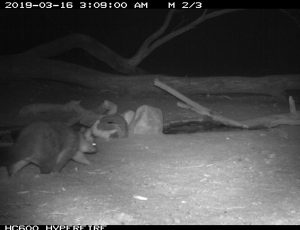
In March on The Arkaba Walk, the wildlife viewing hide’s monitoring camera captured a Brushtail Possum coming to drink. Possums became extinct in the Flinders Ranges in the 1940s but following a reintroduction program in Wilpena Pound a couple of years ago, this animal felt safe enough to venture beyond the Pound and is Arkaba’s first recorded sighting. This has only been possible with the feral management programs they have conducted in order to provide a safe environment for native species and to repopulate the landscape. Arkaba is also a member of the Australian Wildlife Journeys collection.
In a wonderful twist, this was a very fitting parting gift that the country provided for Arkaba’s manager, Brendon Bevan, on his final day at Arkaba. Sadly (for the Arkaba team) Brendon and his wife Kat have headed to the Top End to experience another beautiful part of Australia while their children are young. The possum’s reappearance at Arkaba bears testimony to his efforts to bring native species back to the Flinders. Brendon will continue to be involved in Arkaba’s conservation as a consultant. Let’s hope these sightings become more of a regular occurrence. Incredible!
Rescued – Western Ringtail Possum – Cape to Cape Walk
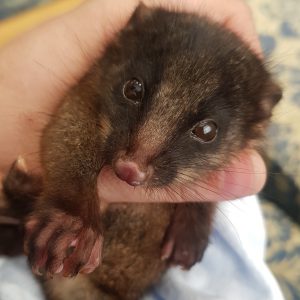
Did you know that the Cape to Cape Walk by Walk into Luxury is located within a World Biodiversity Hotspot? Much of the plant life and some of the wildlife in this region is not found anywhere else on earth. The Western Ringtail Possum, pictured here, is endemic to the South-West of Western Australia and is sadly critically endangered. Recently a group of walking guests had the chance to rescue an orphaned ringtail possum they discovered alongside the track. After carrying this cutie back to their accommodation, he was placed into the care of the local wildlife service. Saving orphaned and injured ringtails is part of the State’s recovery plan for the species. It goes to show that you never know what you’ll become part of on a Great Walks of Australia experience.
Sighted – Koalas – Spicers Scenic Rim Trail
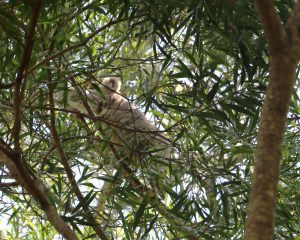
As the Spicers Scenic Rim Trail hits the trail for the season, some walkers have been very fortunate to see large koalas, particularly on Day 1 of the walk. Having the Turner’s Private Nature Refuge now bordering the Main Range National Park has aided the wildlife corridor that the team at Spicers Scenic Rim Trail have been working so hard on. Some of our great walkers will be in for a first-hand experience of these incredible creatures.
If you have photos or first-hand accounts of wildlife experiences on your great walk, we’d love to see/hear about them! Share them by tagging on Facebook and Instagram (#greatwalksofaustralia #mygreatwalk) or email eo@greatwalksofaustralia.com.au anytime.
Not normally a staple in the Pinetrees Lodge menu, a recent wellness week focus resulted in some new thinking (and tasting). This deliciously simple dish based on traditional ayurvedic Indian recipes is truly worthwhile adding to your at home repertoire!
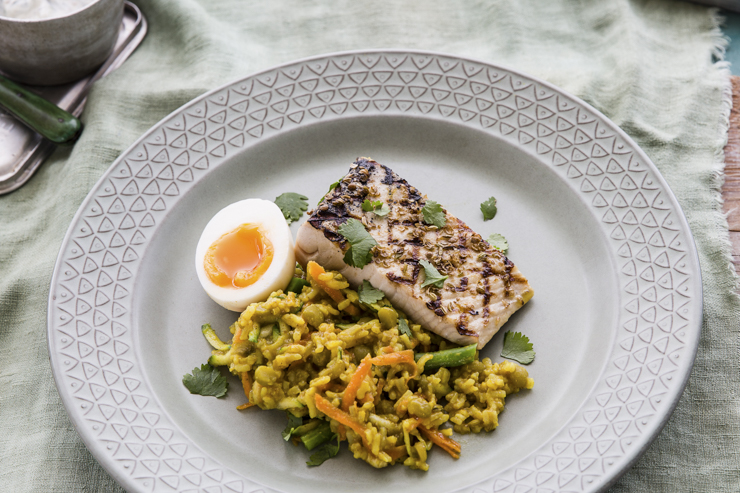
It turns out that, irrespective of the digestive and detox benefits of rice and lentils, kitcheri (kich-ah-ree) dishes are absolutely delicious for lunch. Serve up a bowl of spicy aromatic lentils with grilled trevally, rice and raita. Whatever you do, don’t tell the big bloke with the bottle of red that this food is yoga retreat fare, because he’ll probably – well… thankfully we love our wine on the Great Walks of Australia.
TREVALLY KITCHERI
Serves 8 /10 minutes preparation / 30 minutes cooking
INGREDIENTS
4 tablespoons coconut oil
3 cm piece ginger, grated
1 garlic clove, crushed
1 green chilli, finely chopped
2 teaspoons fenugreek seeds, crushed
2 teaspoons ground turmeric
2 teaspoons ground cumin
2 teaspoons ground coriander
2 teaspoons fennel seeds
200 g basmati rice
200 g green lentils
1 carrot, grated
1 zucchini, grated
10 green beans, cut into 1 cm pieces,
1 teaspoon sea salt
8 x 100 g pieces Trevally (white fish)
1 lemon
4 eggs, boiled for 7 minutes, peeled and halved
1 bunch fresh coriander, leaves picked
Raita
200 g plain yoghurt
1/4 cucumber, deseeded and cut into 5 mm dice
1/2 bunch mint, chopped
1 teaspoon toasted cumin seeds, crushed
1/2 teaspoon garam masala
METHOD
To make the raita, combine all the listed Raita ingredients and set aside in the fridge.
Heat 2 tablespoons of the coconut oil in a large heavy based saucepan over medium heat. Add the ginger, garlic and chilli and 1 teaspoon each of the dried spices and fry until aromatic. Take care not to burn as it will leave a bitter taste.
Add the rice and lentils and stir to coat in the spices. Add 600ml of water and bring to the boil. Simmer for 20-25 minutes until almost all the water has been absorbed and the rice is tender.
Add the vegetables and salt and cook for a further 5 minutes. Combine the remaining spices and put in a shallow dish. Add the trevally and toss to coat in the spices. Heat the remaining 2 tablespoons of coconut oil in a large heavy based frying pan. Cook the spiced trevally until golden brown and cooked through and the spices have formed a nice crust.
Serve in a deep bowl with plenty of fresh coriander, squeeze of lemon juice, half a soft egg and a spoonful of raita. Enjoy!