Arkaba Walk: A Story Of Conservation and Rewilding In The Outback
Categories: News, Uncategorised
The four-day Arkaba Walk in South Australia is an immersive story of the land: both the ancient Ikara-Flinders Ranges and a 63,000km former sheep station turned nature conservancy being painstakingly re-wilded.
We talk to Arkaba station owner Charles Carlow to find out more about the journey of this remarkable property, their work in sustainability and conservation, and what the future holds.
A desire for its business to operate in tandem with its environment is what underpins the philosophy behind The Arkaba Walk, showing off one of Australia’s most spectacular outback landscapes.
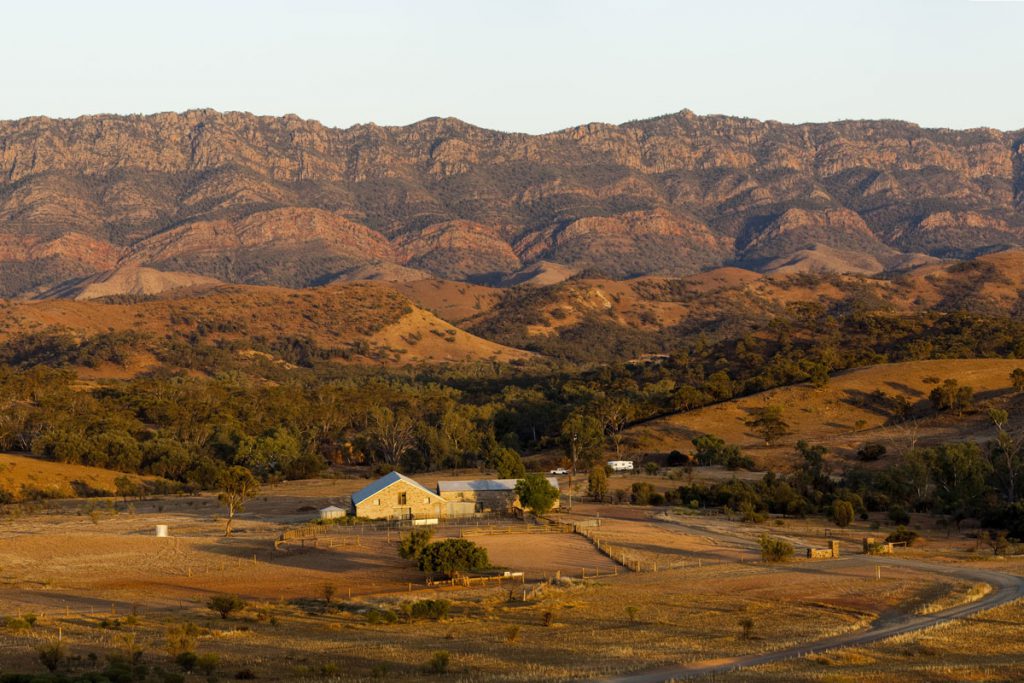
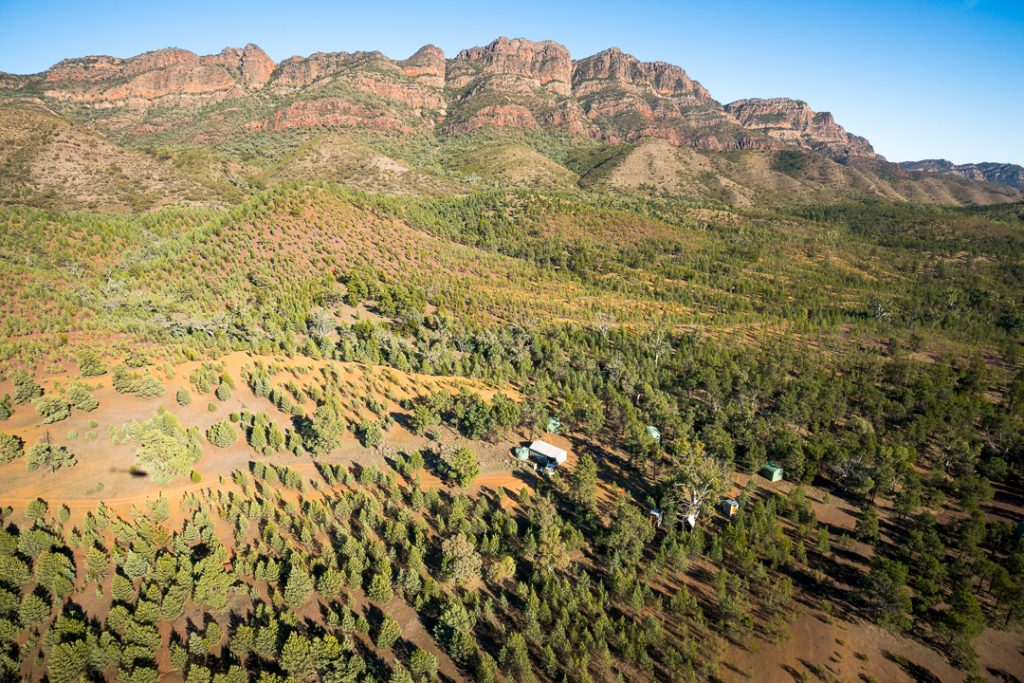
Rimmed by spectacular ochre cliffs, while native cypress forest, ancient red gums and hardy wildflowers blanket the undulating landscape, it’s hard to imagine the Arkaba Conservancy, 400 kilometres north of Adelaide, in any other form.
However, less than 10 years ago, this 63,000 km nature and wildlife conservancy in South Australia’s outback Ikara-Flinders Ranges was a working sheep station.
After 150 years of livestock grazing, in marginal semi-arid country, the decision was taken to remove livestock from the property and to focus on enabling the landscape to recover and native species to re-establish themselves.
“The terrain at Arkaba meant that it was not the easiest of properties on which to run sheep,” says Arkaba’s current custodian, Charles Carlow, of the property’s former condition.
“Due to Arkaba’s rugged topography, some of the steeper and less accessible range country was not so impacted by livestock, and the previous owners had done a lot to reduce the impact of rabbits, however, the flatter sections were clearly heavily grazed.”
He was undeterred. Inspired by the outback station and the ancient ranges keeping guard over it, Charles and Wild Bush Luxury took on Arkaba for its tourism potential, not its agricultural one, driven by the desire to tend to the land and create unique and immersive, conservation focused experiences.
“Arkaba’s incredibly beautiful scenery is inspiring in itself but also provides the perfect backdrop to engage guests with the bush and the issues that threaten Australia’s biodiversity.”
“Aside from what we can do on the ground in keeping feral herbivores and predators out of the landscape, one of the best ways tourism can contribute to conservation is through connecting people to the bush and opening eyes and minds.”
Fast forward to today, and Arkaba is a carefully protected slice of outback splendour – a perfect example of how tourism and conservation can work for the benefit of each other.
It’s a transformation that has earned the property its place in the Long Run, a collection of tourism businesses around the world that are focused on excellence in sustainable tourism and collectively shaping tourism as a force for good in the environment.
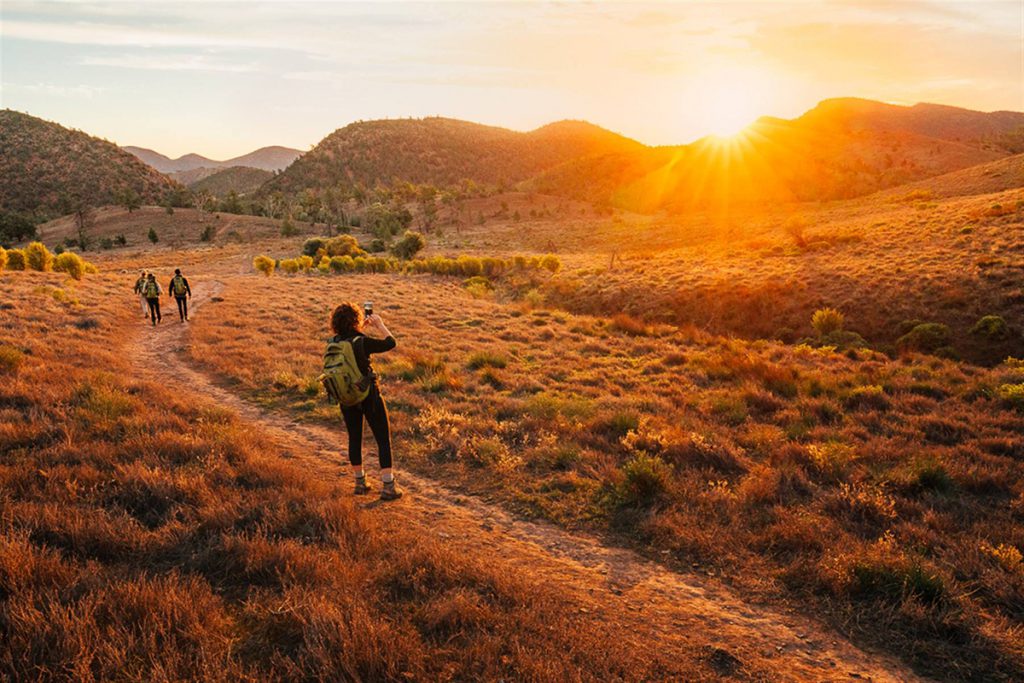
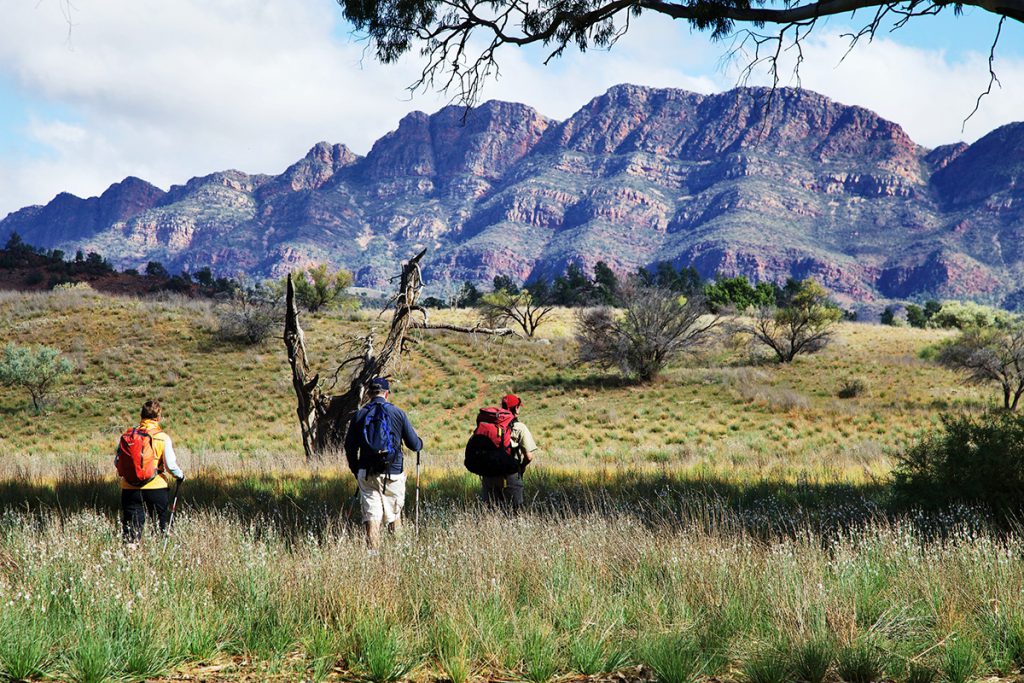
These days, Arkaba’s tourism arm is centred around the renowned Arkaba Walk: a fully-hosted, all-inclusive four-day walk where you not only witness the environment in recovery, but take an active role in its revival.
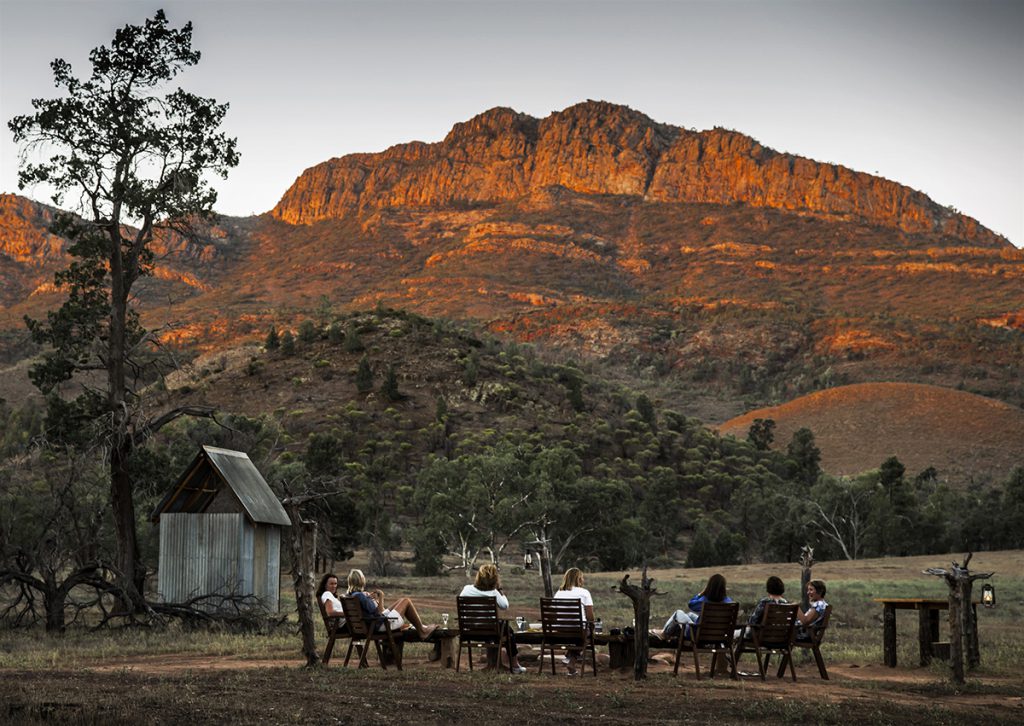
Covering 45 kilometres on foot in spectacular surrounds, this outback hiking adventure includes exclusive accommodation sleeping under the stars at off-grid walking camps, as well as a night at historic Arkaba Homestead – one of many hallmarks of the property’s pastoral heritage.
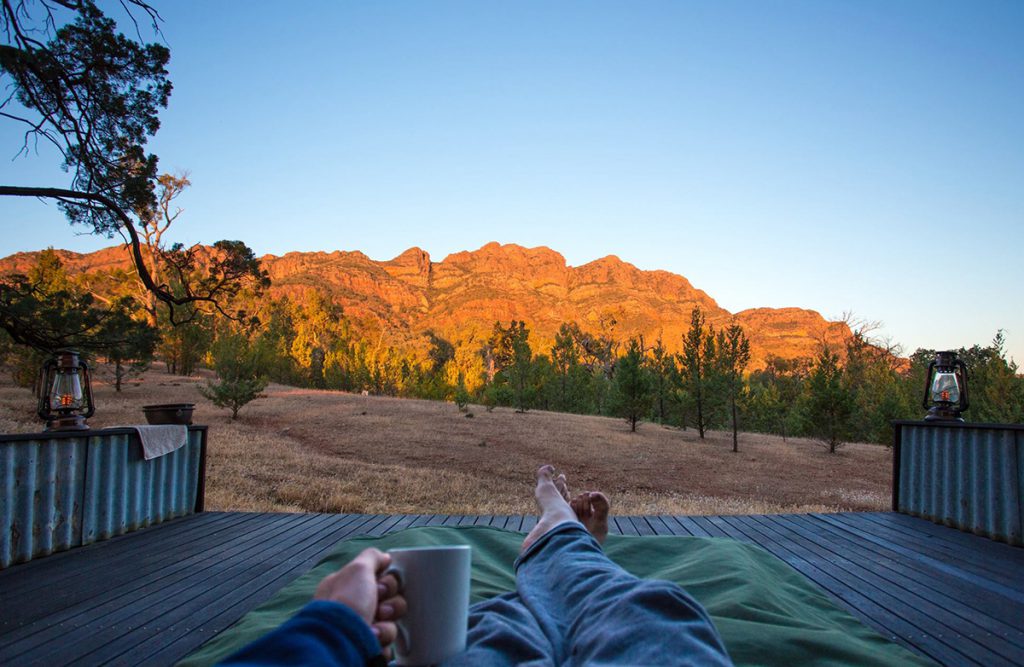
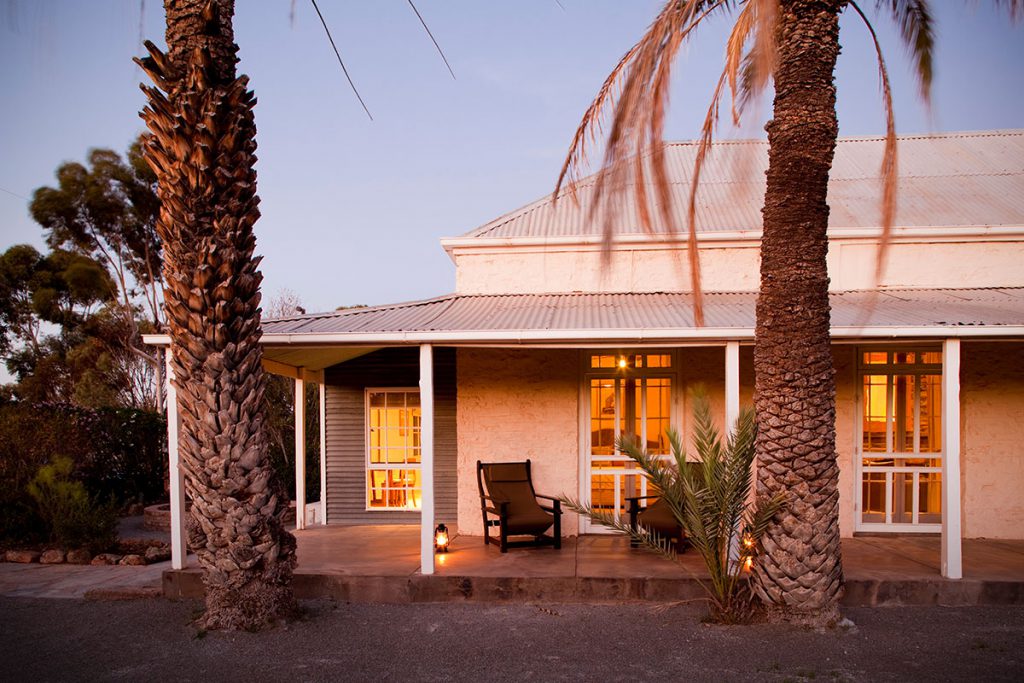
As Carlow declares, “our future is inextricably linked with the health of our environment,” guiding Arkaba’s mission to go beyond protecting the natural landscape, but to educate and connect guests with the power of nature through this unforgettable outback walking experience.
Restoring what was
In the decade since Wild Bush Luxury took on Arkaba, efforts to restore the property have been multifaceted, spanning re-vegetation to pest control and repopulation of native species.
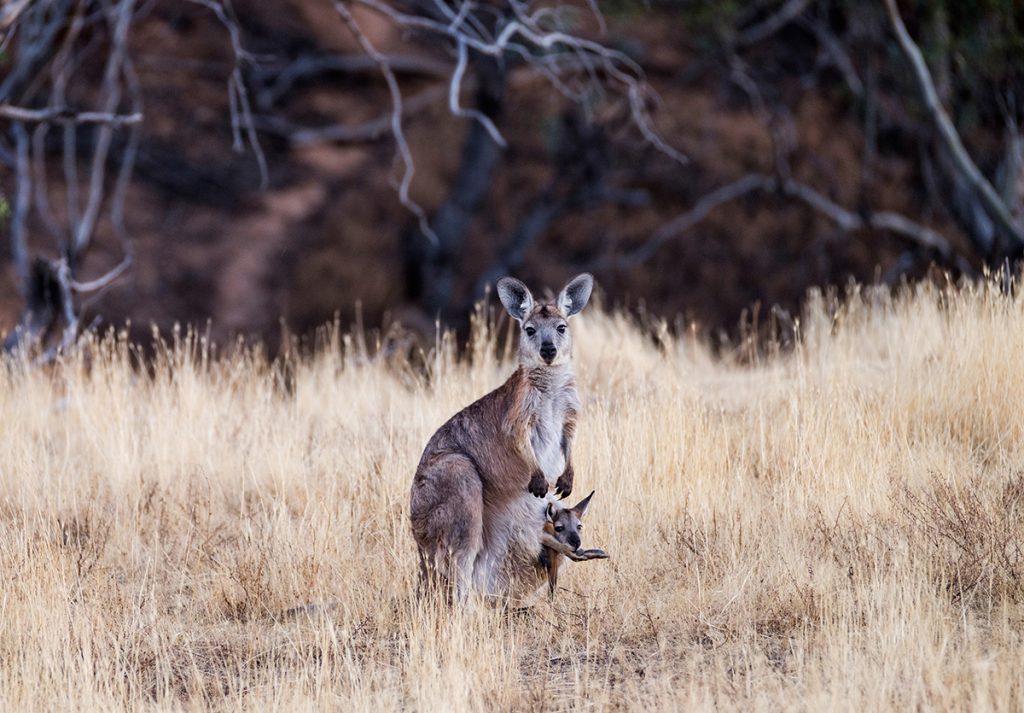
Unsurprisingly, the station’s remaining sheep were a major focus at first, the last of which were removed in 2013. This saw native pioneer species start to reappear and the return in numbers of Red Kangaroos and Western Grey Kangaroos.
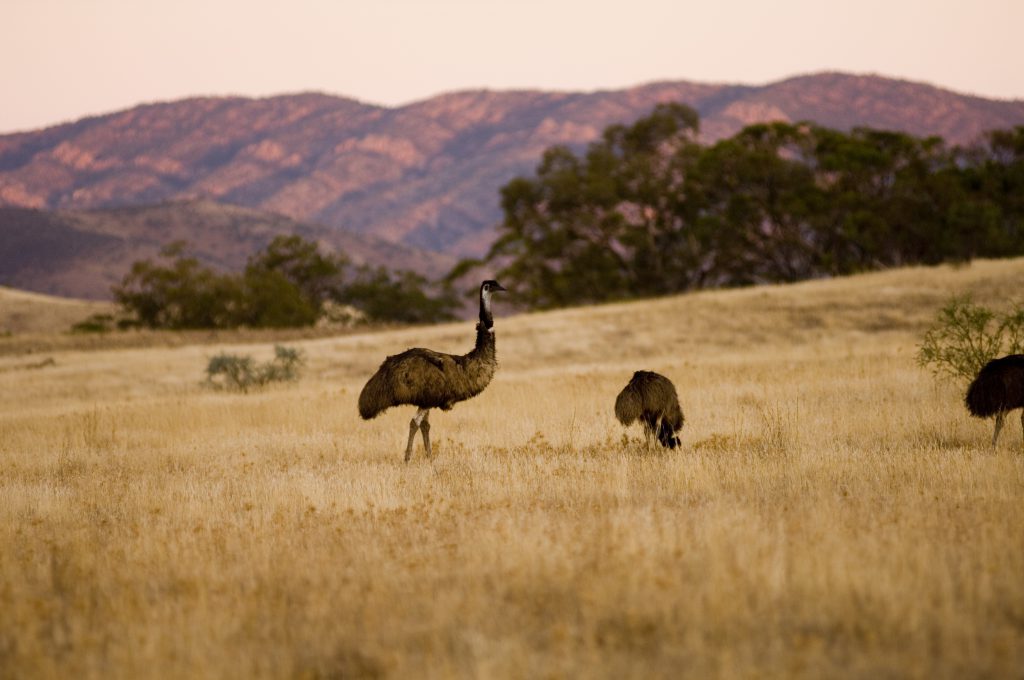
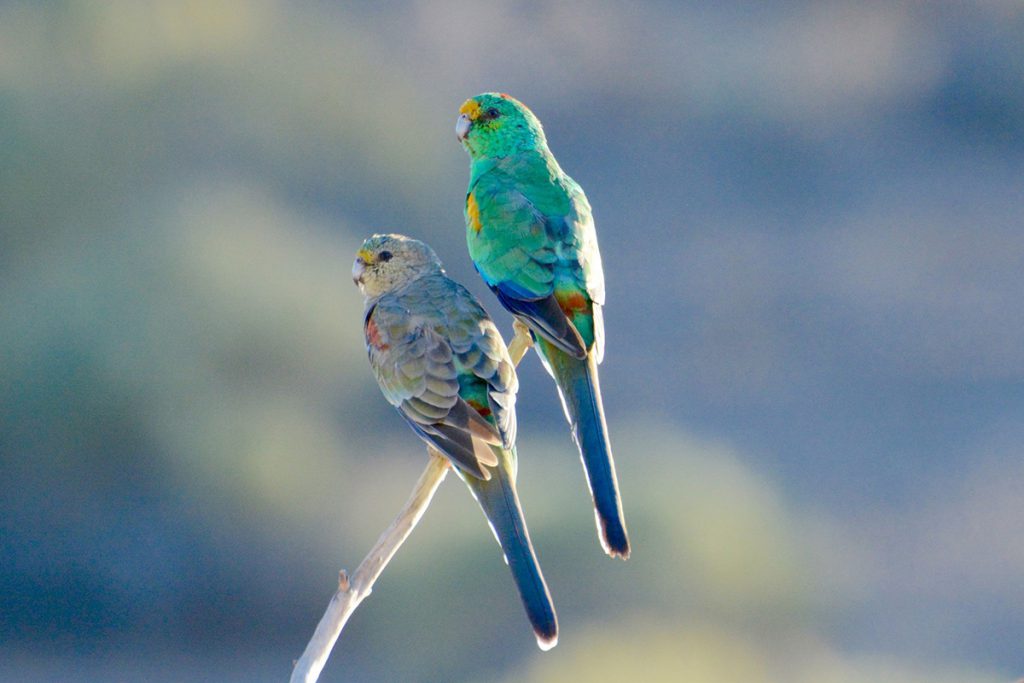
Ongoing efforts to eliminate other feral herbivores and predators, such as feral goats, cats, foxes and rabbits, has also had a significant impact on the recovery of the landscape, its vegetation and the wildlife that calls it home, especially the abundant birdlife, including Mulga parrots.
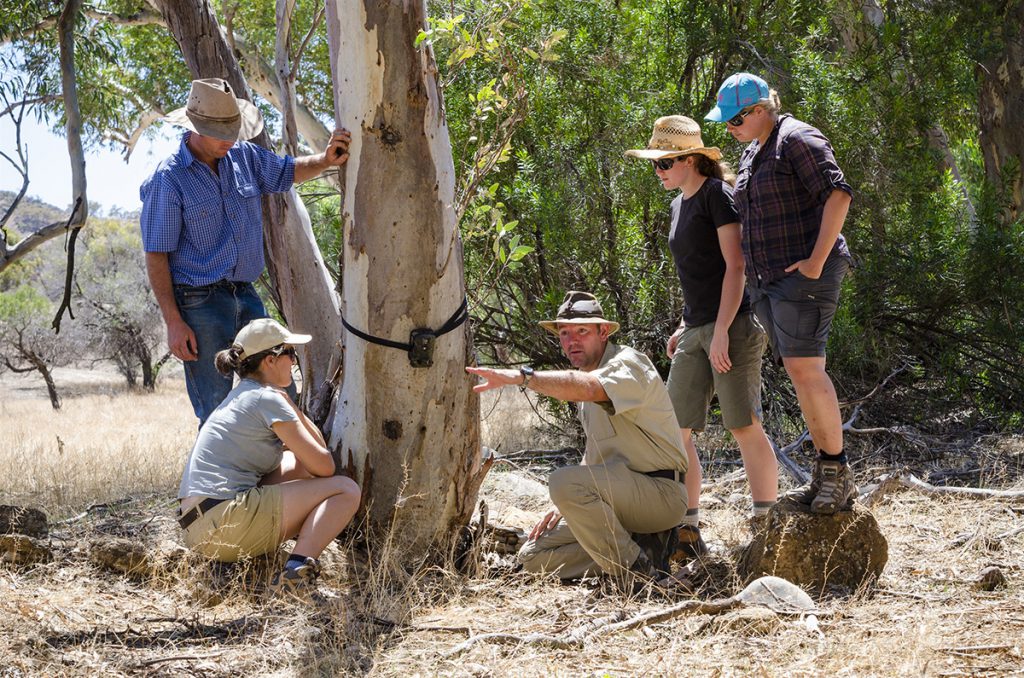
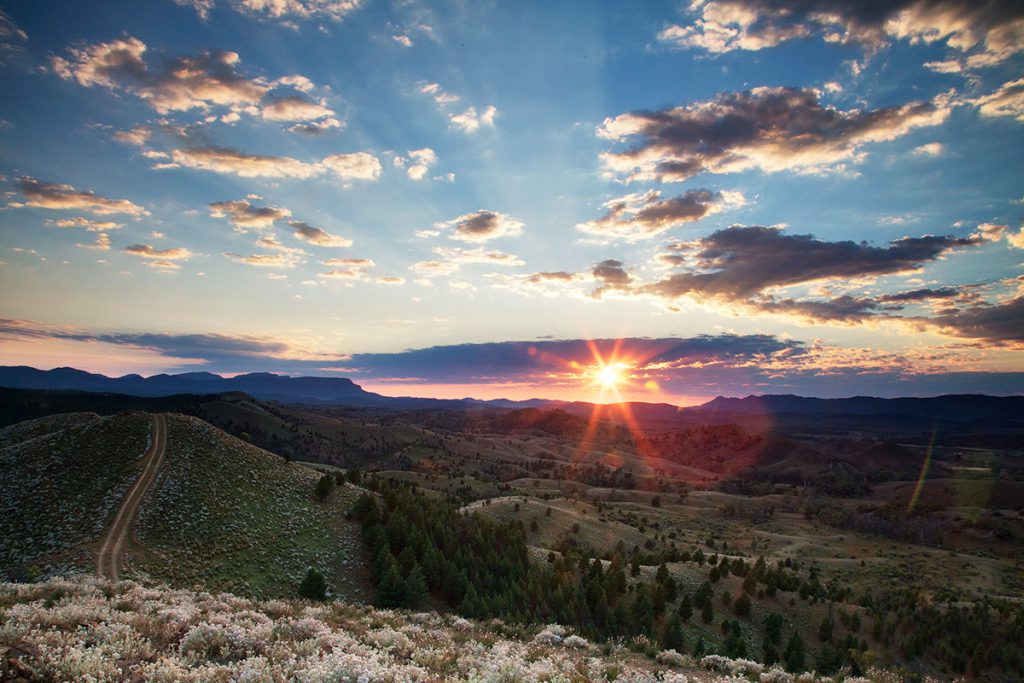
And it’s not just introduced fauna that has been a major focus in rehabilitating the property; in rewilding Arkaba, the removal of sheep, goats and rabbits from the landscape is helping arrest soil erosion, and allowing native trees, shrubs and grasses to regenerate naturally.
The rewilding has even extended to the creation of a native garden around the homestead in place of the water-thirsty European style lawn, integrating the lodge more naturally with the surrounding landscape.
Through bi-annual vegetation and spring surveys, it is clear that these environmental initiatives are generating a recovery in natural vegetation cover.
With the removal of feral predators, it is estimated that over the past ten years, millions of native animals and their offspring have been allowed to survive and reproduce and, in some cases, return to a landscape that they have been absent from for many years. This includes near-threatened Western Quolls and Brushtail Possums, as well as Yellow-footed Rock Wallabies and echidnas.
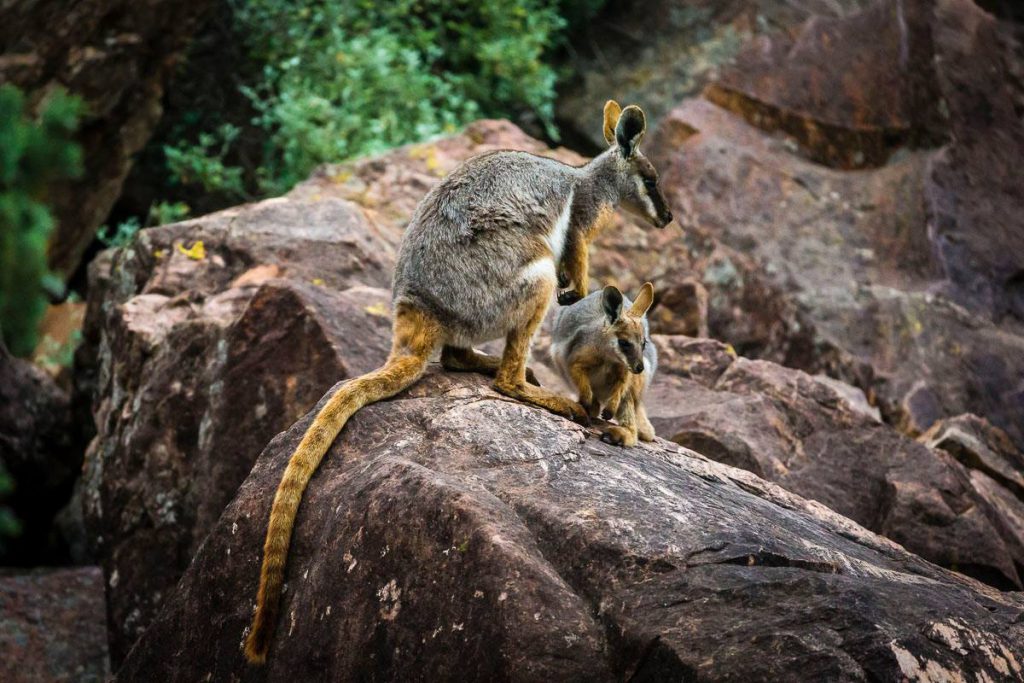
While 10 years’ work is a tiny window in the ecological history of the Flinders Region and there is a never-ending journey of recovery ahead, it is at least an optimistic sign for environmentalists and nature lovers alike.
Future proofing for the next generation
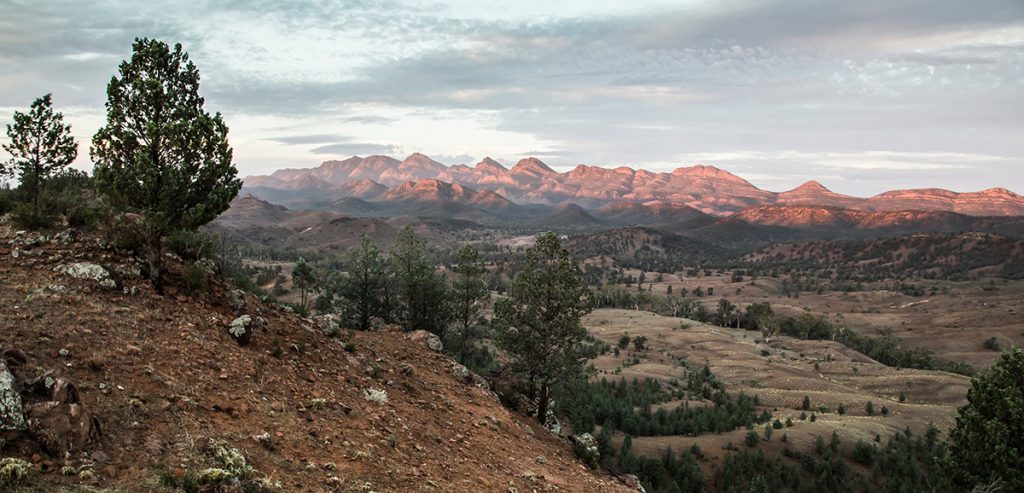
Beyond transforming Arkaba from sheep station to wildlife conservancy, the Arkaba team have worked tirelessly to ensure all current operations are considered with an environmental lens, ensuring the ecological footprint of The Arkaba Walk is as light as possible.
The environment is at the heart of every decision made: from choice of linen to zero plastic bottles; the siting of each walking camp to avoid any vegetation clearance and using native bush to provide privacy and natural cover; the off-grid camps, operated with minimal carbon emissions (and maximum connection to nature); and light provided by campfire or solar lanterns.
Food and wine served is sourced exclusively from local South Australian producers, ensuring guests experience a taste of the region, while achieving minimal food mileage and supporting the local community.
As Carlow always intended, “the vision behind the Arkaba Walk is to really connect our guests with the country – this is so much more effective when you’re out on foot and your senses are attuned to the surrounds.”
“Sharing our knowledge and passion helps immerse our guests in the finer nuances of the bush and to understand the connections in the landscape.”