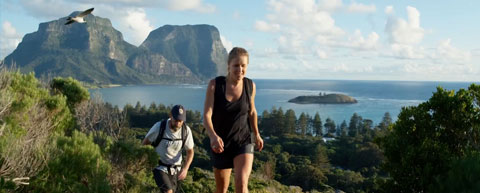
Top 20 Soul-Stirring Moments on the Great Walks of Australia
The Real Magic Behind the Tracks and Trails

If you ask someone what draws them to Australia’s famous walking trails, the answer usually starts with the landscapes: ancient peaks, endless beaches, red deserts, forests rich with scent and silence. These are the scenes you see in the brochures. Yet talk to any walker, months or years after their journey, and you’ll hear stories of something deeper. The small, unexpected moments that shift the soul and become the beating heart of the adventure.
This blog lifts the lid on the real moments that define a multi-day guided walk across Australia’s extraordinary terrain. It’s not the muscle-burn of a tough ascent or the postcard view at the summit. It’s the quiet, unexpected, and profoundly human experiences that linger long after your boots are packed away.
Quick Summary
- The most powerful moments are often the quietest: sunrise stillness, shared stories, chance wildlife sightings.
- Connection with nature, guides, fellow walkers, and yourself. This defines these journeys.
- Sensory details (smells, sounds, touch) are as memorable as the views.
- Local culture, expert guidance, and thoughtful care deepen the experience.
- The emotional payoff: pride, awe, calm, joy, and a sense of belonging.
Let’s walk through the top twenty moments that walkers remember most.
- The Hush of Dawn Before the Birds Begin
There’s a deep, grounding stillness on the trail just before sunrise. A sense that nature is holding its breath with you, waiting for the first birdsong. - The First Brew in the Crisp Morning Air
Imagine wrapping cold fingers around a steaming mug, brewed by your guide as the day’s anticipation builds. It’s a small ritual, yet sets the emotional tone: you’re cared for, and the day’s possibilities are wide open. - When a Guide Shares a Story That Changes Everything
A single story about the land’s cultural heritage, ecology, or geology can be transformative. Suddenly, the rocks and trees tell their own tales, and the ground beneath your feet feels more alive. - The Moment Your Legs Find Their Rhythm
After the initial push, there’s a gentle settling in your stride. Breath, pace, and mind all in sync. It’s grounding and calming, a physical meditation. - Light Moving Across the Landscape at Sunrise
Watching ridges, coastlines, or desert plains reveal themselves layer by layer as light shifts. It’s a slow, quiet spectacle, and it feels like a reward for waking early. - A Wildlife Encounter That Feels Like a Blessing
A joey peeks from a pouch, a line of emu chicks follows their father, an echidna shuffles across the track. These are rare gifts, moments of pure wonder. - Turning a Corner to a Surprise Picnic
A secluded beach, a quiet forest clearing, a hilltop with a view and a picnic spot waiting. Delight, gratitude, and a sense that someone is looking out for you. - Realising You Haven’t Checked Your Phone
There’s a rare joy in the clarity that comes when you forget about notifications and simply walk, present in the moment and place. - Conversations That Flow Easily and Sincerely
Stories you’d never hear anywhere else. Strangers becoming friends through the shared rhythm of the trail. - Reaching a Lookout to a Warm Snack or Drink
That small gesture. A guide handing you a hot drink or snack at a windswept lookout. It feels wonderfully big after a good walk. - The Smell of Eucalyptus After Rain
A scent that hits with nostalgia, clarity, and awe. It’s pure Australia, and it lingers long after the walk is over. - Watching the Landscape Change in a Single Day
Forest to coastline, gorge to plateau, rainforest to open plain. It feels like you’ve visited several worlds in one walk. - Seeing Where You Walked Earlier That Day
Glancing back and spotting a distant ridge or bay you crossed earlier. It’s pride, perspective, and the thrill of progress. - Arriving to the Warm Glow of Your Lodge or Hut
After hours on the trail, that first glimpse of warm light. Delightful comfort, care, and a sense of arrival. - Sitting Down to Chef-Inspired Dishes
Local produce, native flavours, paired wines, laughter around the table. Meals become rituals, highlights in themselves. - A Sky Full of Stars Without Light Pollution
The Milky Way arches overhead, impossibly clear. Many walkers have never seen a sky like this before. - Hearing the Ocean Long Before You See It
The sound pulls you forward with anticipation, heart beating a little faster. - When a Guide Points Out a Hidden Detail
A rare wildflower, a tiny bird, a secret track marker, a cultural site you’d have missed. Expertise turns to magic. - Feeling Genuinely Cared For
From tips for packing to anticipating your needs, the thoughtfulness of your guides creates a deep, rare sense of ease and immense gratitude. - The Quiet Moment Before Sleep
Muscles tired in the best way, heart full, mind clear. This is a rare contentment that’s hard to find anywhere else.
Why These Moments Matter
Yes, the views on the Great Walks of Australia journeys are absolutely extraordinary. And what truly stays with walkers are these small, human, and heartfelt moments, woven through each day by the rhythm of nature, the skill and care of your guides, and the freedom to be present in a remarkable place. These aren’t just walks. They’re living, breathing stories that you carry home, stitched together by joy, wonder, and real connection.
Ready to Find Your Walk?
If you’re curious which trail or track might speak to your spirit, our expert walking operators can help you find the right adventure. Whether you crave wild coasts, ancient ranges, or slow, sensory discovery, each journey is made of many steps, yet it’s these moments that define it.
Whether you’re new to walking holidays or a seasoned hiker, there’s a track with your name on it. Browse the full Great Walks of Australia collection and find the route that calls you, and if you’re still not sure where to start, sign up for our eNews for regular updates, practical tips, and stories from the trails or enquire here with any questions or queries you may have.
FAQ
What’s the best time of year for Great Walks in Australia?
It depends on the region. We provide year-round walking opportunities. Coastal trails are stunning in spring and autumn, while some inland walks are best in the cooler months. Always check with the operator for seasonal tips and find out more on walking seasons across Australia here.
Are these walks suitable for first-time multi-day walkers?
Absolutely. Most guided walks cater to a range of fitness levels and offer support, comfort, and expert guidance. Let the team know your experience level when enquiring or at time of booking.
What should I pack for a multi-day walk?
Essentials include sturdy boots, weather-appropriate layers, a good rain jacket, hat, sunscreen, and a sense of curiosity. Most walks provide a detailed packing list.
How much wildlife might I see?
Encounters vary, and of course are not 100% guaranteed, however walkers often spot kangaroos, wallabies, echidnas, emus, and wide and varied range of birdlife. Guides know where to look and how to maximise your chances of respectful viewing.
What’s included in a guided multi-day walk?
Most Great Walks of Australia packages include unique accommodation, meals, snacks and expert guiding. Check the specific walk for details for more information on beverages, transfers if and when appropriate, luggage requirements and optional extra’s that may be available at an additional cost for massage or other spa related treatments.
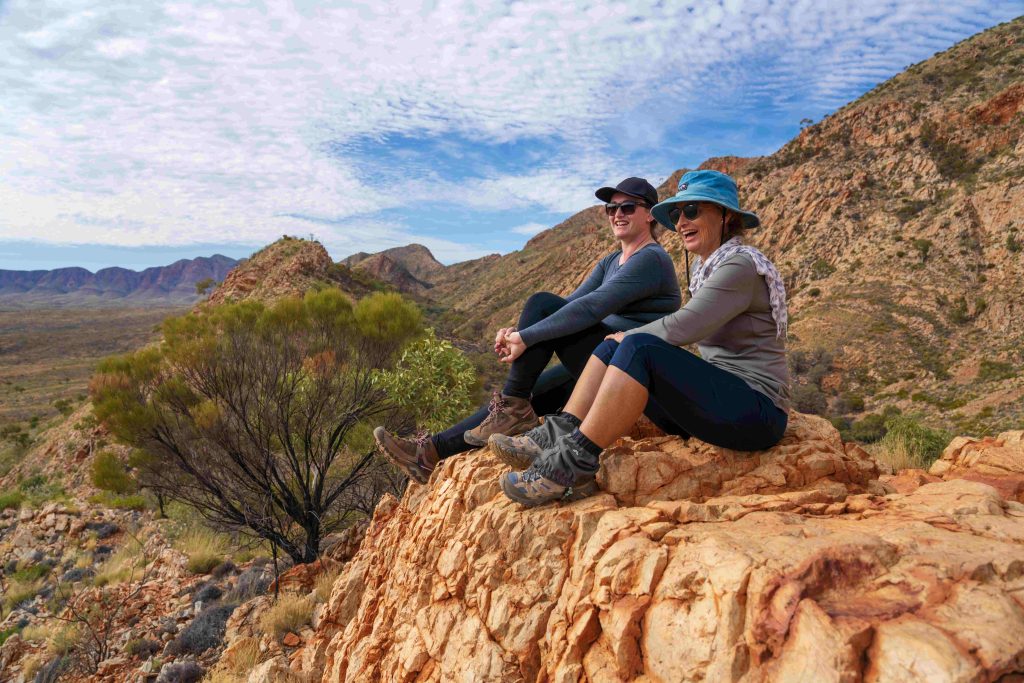
The signs arrive quietly: short sleep, a tight chest before meetings, a mind that won’t settle even when the day is over. Burnout rarely crashes in; it builds. And it feeds on one thing most of us can’t seem to find: space.
Walking gives that space back. It’s simple, accessible, and deeply human. Step after step, the body regulates, the breath deepens, and the mind finds room to soften. This is not about chasing a personal best. It’s about coming back to yourself.
Summary
- Walking is a natural circuit breaker for stress and mental fatigue.
- Even short walks can lift mood and clarity; multi-day walks amplify the effect.
- Research links time in nature with lower stress markers and calmer brain activity.
- Gentle, practical walking rituals protect energy during busy weeks.
- Multi-day guided walks create sustained space for reflection, connection, and rest.
Why walking works when you’re stretched thin
In Australia, reports of burnout are worryingly high compared with global averages. Microsoft’s Work Trend Index highlighted that around 62% of Australian employees were experiencing burnout versus 48% globally, a trend echoed across Australian summaries of the data (sources: Microsoft Work Trend Index; news.com.au; MHFA Australia).
Short walks help right away. A Curtin University team found that a 30-minute lunchtime walk in previously inactive office workers improved enthusiasm, relaxation, and motivation during the workday (source: Thøgersen-Ntoumani et al., Journal of Behavioral Nutrition and Physical Activity, 2014–2015 coverage). It’s a reminder that you don’t have to overhaul your life to feel different by 3pm.
Nature’s effect on stress and mood is measurable
You can feel the difference the moment you step under trees or onto a coastal path: air cooler on your cheeks, light shifting through leaves, shoulders dropping without permission. Research backs that felt sense.
- Stress physiology: Spending just 20 minutes in nature can reduce stress hormone levels in everyday settings (source: Harvard Health, 2019).
- Brain activity: After a 60-minute walk in a natural environment, activity in the amygdala — the brain region involved in stress processing — decreases. The same change doesn’t appear after an urban walk of the same length (source: Sudimac et al., Molecular Psychiatry, 2022; open-access summary via PMC).
- Mental health: Accumulating an activity volume similar to 150 minutes of brisk walking per week is associated with roughly a 25% lower risk of depression (source: Pearce et al., JAMA Psychiatry, 2022).
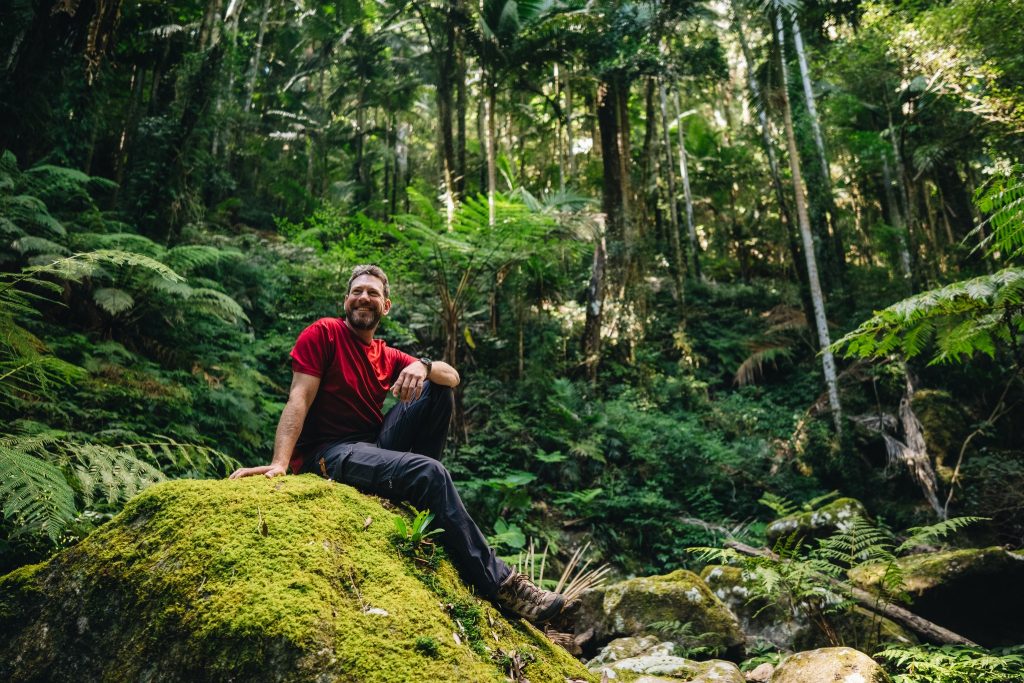
The power of stepping away for days, not minutes
If a single lunchtime stroll can shift your mood, imagine what happens when you give yourself several days of steady walking in nature. With multi-day walks, your nervous system finally has time to settle into a different rhythm: walk, eat, rest, talk, notice, sleep. Repeat.
There’s also a creativity effect when you spend longer outdoors. In research involving multiple days in natural settings, participants improved creative problem-solving performance by around 50% compared with pre-trip baselines, suggesting that extended time away from screens and schedules restores attention and sparks new thinking (source: Atchley, Strayer, and Atchley, PLoS ONE, 2012).
Walking with others restores connection
Burnout thrives in isolation and constant self-pressure. Walking gently breaks that pattern. Conversations flow easier when you’re moving side by side. Silences don’t feel awkward; they feel restorative. Whether it’s a lap around the block with a colleague or several days on a guided track, shared steps create a sense of belonging that softens stress.
Simple walking rituals that protect your energy
- Micro breaks: Trade a scroll between meetings for 5–10 minutes outside. Notice three things you can see, hear, and feel.
- Walking meetings: Take one recurring catch-up on the move each week. Many people find ideas arrive more easily when the body is in motion.
- Transition walks: A short morning loop to start the day with intention; an evening loop to mark its end.
- Weekend reset: Choose a bush trail, a coastal path, or a riverside track and give yourself a longer, unhurried walk.
- Multi-day immersion: A guided walking holiday removes decision fatigue. You walk, you’re fed, you rest well, and each day builds on the last.
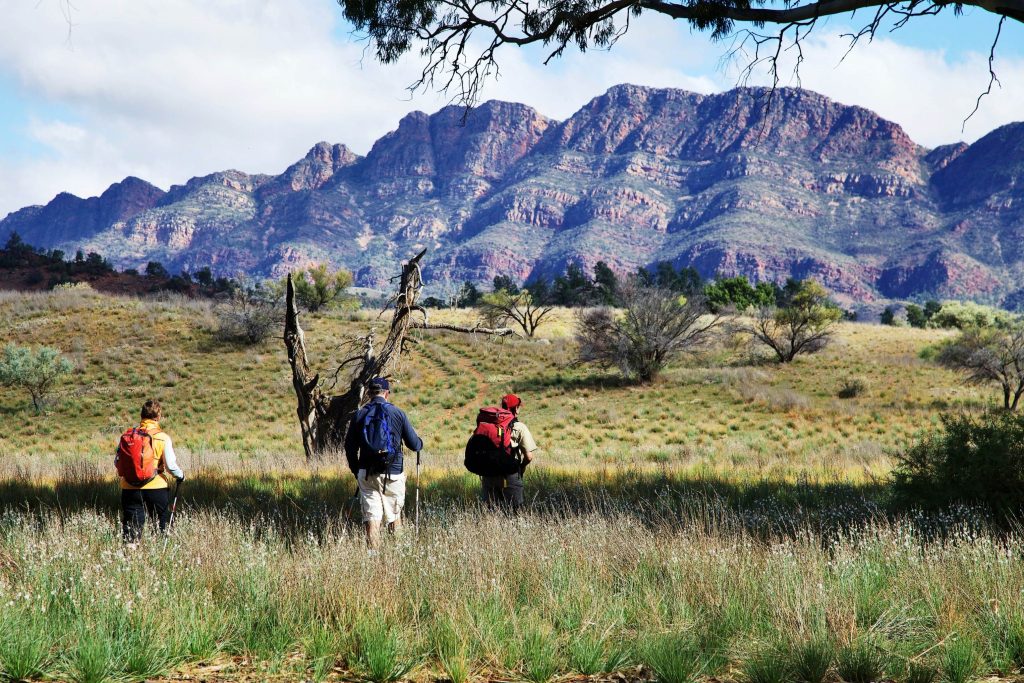
What multi-day walking in Australia can feel like
Australia’s landscapes invite you to slow down. Think of long coastal boardwalks with the hush of surf, forest trails where the air smells faintly of eucalyptus, and high-country paths with big skies and clean horizons. On multi-day guided walks, meals are taken care of, and each day’s route brings fresh terrain and fresh headspace. You don’t have to think about logistics. Your only job is to keep putting one foot in front of the other and let the noise fall away.
If you’re starting to imagine a few days of walking, Great Walks of Australia curates guided, multi-day experiences across iconic regions. The collection includes coastal routes, alpine landscapes, island trails, and desert country guided by experienced operators, with comfortable stays at day’s end. The practical upside matters when you’re tired: someone else handles the planning, while you focus on your steps, your breath, and the conversations you’ve been too busy to have.
What changes when you walk regularly
- Your inner pace shifts. The world can still be fast, but your responses aren’t.
- Sleep returns a little more easily. Longer outdoor time often supports better sleep quality.
- Your mind has a place to put hard thoughts. They move through rather than around in circles.
- You remember what steady progress looks like. No urgency. Just steps.
Walking reminds us that progress isn’t always about pushing harder. It’s about showing up, moving gently, and letting nature do some of the work. Burnout keeps you stuck. Walking is motion, momentum, and medicine — one honest step at a time.
FAQs
Is walking enough exercise to help with burnout?
- For many people, yes. Even gentle, regular walking can reduce stress, improve mood, and support better sleep. The key is consistency and, when possible, time in green or blue spaces.
How long should I walk to feel a difference?
- Many people notice benefits from 10–30 minutes. Research suggests 20 minutes in nature can lower stress hormones, and a 60-minute nature walk can calm stress-related brain activity.
Do I have to hike hard trails to get the benefits?
- No. The benefits come from steady movement, time outdoors, and your own comfortable pace. A flat riverside path can be as restorative as a climb. Many of our walks have mixed terrain some particularly covering a variety of trail types over the course of days. This can suit different fitness levels. Take a look at our planning guide here to find the walk that suits your fitness level.
What if I’m not very fit?
- Start small and be kind to yourself. Our walk operators offer support leading up to your multi day walk and suggest a training plan. There are clear daily distances for each walk. Aim for regular short walks during the week to prepare and ideally do some back to back walks eg. longer walk on sat/sun or during the week thur/fri – if you can to prepare your body to the consecutive days walking.
- And if it’s more a confidence thing, about whether you can do it, mentally more than physically, take a look at our article her on Comfort and Confidence for First-Time Multi-day Walkers.
What makes a guided Great Walks of Australia multi-day walk helpful for burnout?
- Fewer decisions, a supportive group, delicious food and sleep, and a simple daily rhythm. You get the restorative parts of walking without the mental load of planning.
Got more questions? Head to our Frequently Asked Questions to find out more, or Contact Us and ask your specific questions. Dreaming about your next adventure: explore all of the guided multi-day options here at Great Walks of Australia
References
- Microsoft Work Trend Index: Great Expectations: Making Hybrid Work Work (2022) and Australian summaries (news.com.au; MHFA Australia).
- Lunchtime walking study: Thøgersen-Ntoumani et al., J Behav Nutr Phys Act (2014/2015 coverage via PubMed; Psychological Science news brief).
- Nature and stress hormones: Harvard Health Publishing, “A 20-minute nature break relieves stress” (2019).
- Amygdala and nature walks: Sudimac et al., Molecular Psychiatry (2022).
- Physical activity and depression: Pearce et al., JAMA Psychiatry (2022).
- Multi-day nature immersion and creativity: Atchley, Strayer, and Atchley, PLoS ONE (2012).