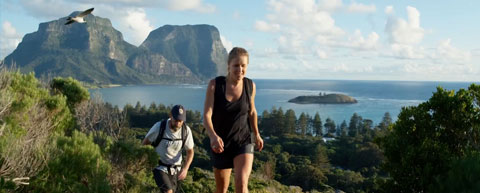
Walking Holidays in Australia: How Travelling on Foot Creates Real Connection
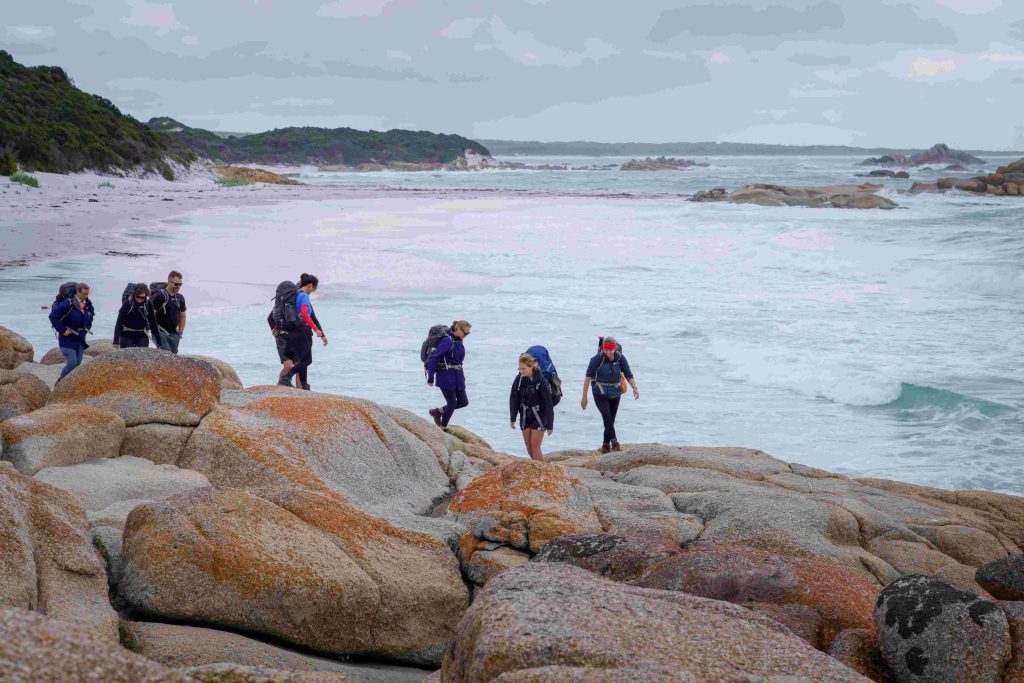
There’s a certain freedom that comes from walking – the kind you rarely find on a busy tour or behind a car window. When you travel on foot, Australia’s landscapes shift from postcard images to living, breathing places, inviting you to slow down, tune in, and feel a genuine sense of belonging. For many, the first step onto a winding coastal path or into a sunlit forest isn’t just the start of a walk – it’s the beginning of a deeper journey, one both inward and outward.
If you’ve ever wondered what it really feels like to cross an alpine meadow at dawn, to step softly through a rainforest alive with birdcall, or to watch the sunset paint red cliffs gold as you share a meal with fellow travellers, a walking holiday could be the key to a richer, more meaningful travel experience.
Summary
- Walking holidays create lasting connections with nature, local culture, and community.
- Great Walks of Australia offers 15 fully guided, multi-day experiences across diverse, iconic landscapes.
- These journeys blend comfort, expert knowledge, and immersive storytelling with the thrill of the outdoors.
- Walking invites awe, belonging, and memorable encounters you simply don’t find on faster trips.
- If you’re ready for a travel experience that lingers long after you return home, start dreaming about your next adventure on foot.
Why Walk? The Emotional Power of Moving Slowly
The natural world has always stirred something deep – awe when standing before ancient mountain ranges, peace in the hush of untouched forest, exhilaration as sea spray hits your face on a cliffside trail. Research and traveller insight show that walking lets you experience these moments not as a visitor passing through, but as someone who belongs, even if just for a few days.
On a walking holiday, the pace is set by your body and your senses. You notice the details: the scent of eucalyptus after rain, the crunch of gravel underfoot, the sudden hush when a wallaby darts across the path. Your mind unwinds with every step, and the landscape seems to reveal itself gradually, generously, as if rewarding your patience. There’s a pride in seeing places rarely touched by crowds, and a quiet joy in watching the land change as the light or weather shifts.
Great Walks of Australia: 15 Ways to Experience Wonder
Australia’s diversity isn’t just something you see – it’s something you feel. With the Great Walks of Australia collection, you can choose from 15 fully guided, multi-day journeys that showcase the continent’s most remarkable places. Each walk is different, yet all share a commitment to immersive experience, comfort, and care for Country.
You might find yourself rock-hopping along the orange-lichen boulders of the Bay of Fires, where white sand meets impossibly clear water and the rhythm of the coast sets your pace. Or perhaps you’ll trace the wild edges of the coastline on the Cape to Cape Walk in Margaret River, where limestone cliffs drop into turquoise water and each day is matched with fresh, locally inspired dining. Or you might climb to alpine heights along the Cradle Mountain Signature Walk, waking to soft light over button grass plains and evenings warmed by the fire in your mountain hut. Some walks like the Scenic Rim Trail lead you through ancient Gondwana rainforests, where tree ferns arch overhead and lyrebirds mimic the sounds of the bush. Others take you into the heart of the red desert, where ancient stories live in every ripple of sand.
No matter which trail you choose, each journey is fully hosted: expert guides bring landscapes to life through stories, local knowledge, and gentle encouragement, while thoughtful touches including comfortable beds, warm showers, and regionally inspired dining – mean you never have to choose between adventure and comfort.
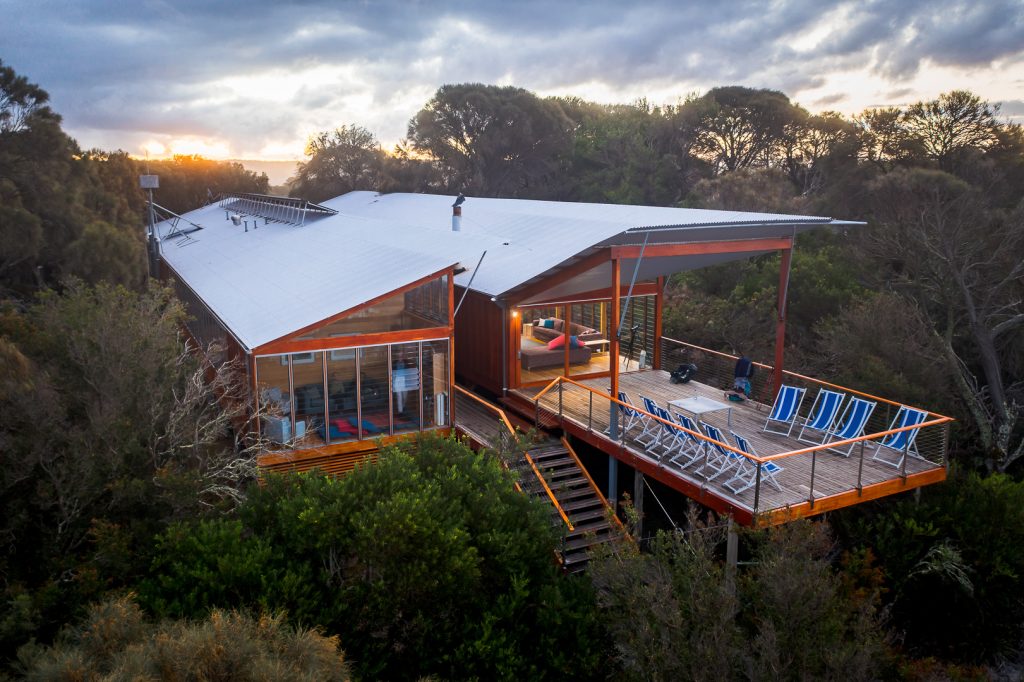
A True Sense of Place: Beyond the Surface
Walking is more than just a way to see nature; it’s a way to feel it. There’s a humility in moving quietly along a trail, especially when you know the Traditional Owners have shaped and cared for this place for millennia. Many walks in the collection are designed in partnership with local communities and Traditional Custodians, offering insight and respectful storytelling that deepen your connection to the land.
It’s in these moments – when you hear a guide speak about the meaning of a river bend, or taste bread baked from native grains – that the trip moves beyond sightseeing. You laugh with other walkers over shared meals, notice the subtle shift in birdsong at dusk, and sometimes, even find yourself walking in companionable silence, feeling part of something larger than yourself.
Comfort, Community, and Care for Country
Gone are the days when walking holidays meant ‘roughing it’. Every aspect of a Great Walks of Australia experience is designed to blend immersion with ease. Eco-sensitive camps and lodges are set in places chosen for both their beauty and their minimal environmental impact. Meals are crafted from local ingredients, and evenings are spent sharing stories, rather than searching for supplies or worrying about logistics.
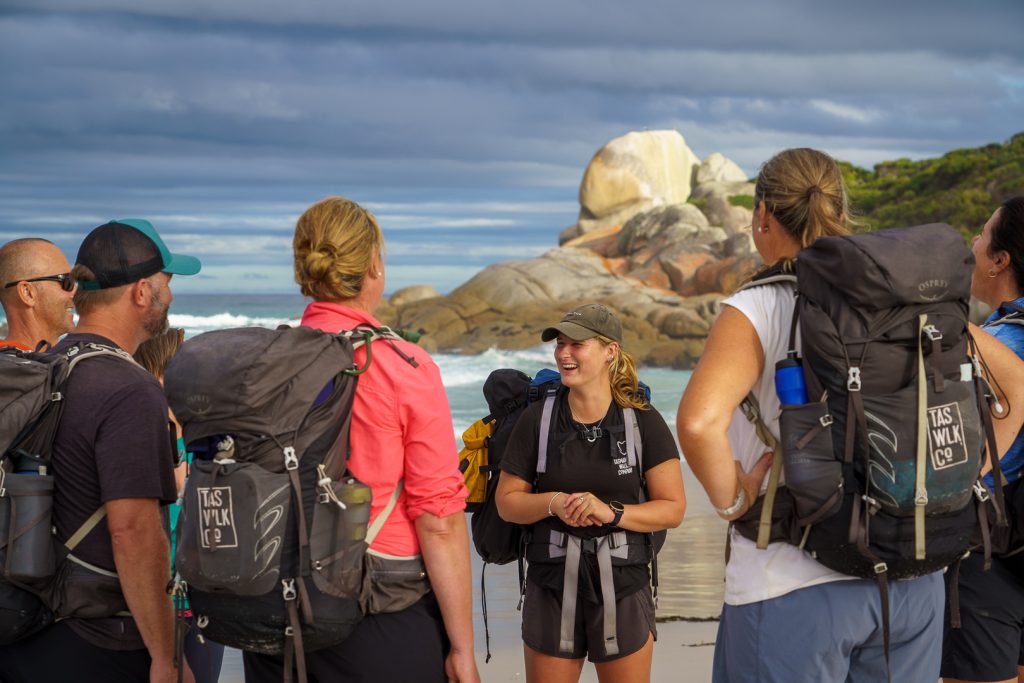
Guides are more than pathfinders – they’re storytellers, naturalists, and even chefs, turning each day into a narrative, not just a route. With all the details taken care of, travellers can focus on what matters: connecting to the place, themselves, and each other.
Nature, Local Life, and the Joy of Belonging
The greatest reward of walking in Australia isn’t simply the view – it’s absolutely the feeling. The pride of finishing a challenging day, the surprise of spotting rare wildlife, the sense of belonging that comes from sharing a table, a trail, or a sunset with people who value the same things you do. It’s about moving through the world in a way that feels both gentle and brave, open to whatever beauty or challenge the day offers.
Start Dreaming About Your Next Adventure
If you’ve ever longed to travel in a way that feels more connected to nature, to others, and to yourself then walking might be the answer. With 15 diverse, fully hosted walks across Australia’s most extraordinary environments, there’s a journey for every kind of traveller. When you’re ready to let the landscape shape your story, and not the other way around, it might be time to start dreaming about your next adventure on foot.
For more details about the Bay of Fires Signature Walk, showcased in these images or for all journeys, including maps, itineraries, and booking information, visit Great Walks of Australia.
Frequently Asked Questions
Do I need to carry my own gear on these walks?
It depends on the walk. Some Great Walks of Australia experiences are lodge-based, so your luggage stays there, others are designed as daypack-only journeys, where your main luggage is transported for you. Other walks may require you to carry your own gear, and for some, porterage may be provided on occasion. Each walk is different, so check the details of your chosen itinerary for the specific requirements and support provided.
Are walking holidays suitable for solo travellers?
Absolutely. Many people join alone and quickly find community within their small walking group, sharing stories and meals each night.
What’s included in a Great Walks of Australia package?
Fully guided walks typically include all meals, accommodation, national park permits, transfers, and expert guiding. Some walks also offer special local experiences or cultural interpretation.
Is there a walk for every level of fitness?
Yes. Some walks are gentle, while others require a moderate to higher level of fitness. Each itinerary clearly outlines daily distances and terrain, so you can choose what’s right for you.
How do I choose the right walk for me?
Each Great Walk offers different terrain, environments, and comfort levels. Browse the collection and consider your fitness, seasons and preferred landscape (coastal, alpine, rainforest, desert), and interest in cultural interpretation.

There are places in Australia where time seems to slow, where the world’s noise gently fades, and nature’s stories become the ones that matter most. The Murray River Walk, delivered by the passionate team at Murray River Trails, is one of those rare journeys – a guided experience that’s as much about connection and learning as it is about walking.
For nearly a decade, Murray River Trails has been quietly inviting people to step off the grid and onto the banks of the country’s greatest river. Their approach is grounded in care: for the river, the land, the people, and the greater story of this remarkable region. This year marks their 10th anniversary. A milestone built not on marketing, instead on trust, consistency, and the kind of guest experiences that linger long after the last sunset.
Summary
- Walk Australia’s Murray River at a gentle, reflective pace, guided by locals who know and love the land.
- Experience deep immersion in both wild landscapes and Riverland community life with every meal, story, and shared moment reinforcing your sense of belonging.
- Learn from passionate guides about river ecology, heritage, and how tourism can regenerate rather than extract.
- Celebrate a decade of authentic, values-led walking tours and look forward to new chapters with the upcoming second eco-houseboat.
- Begin dreaming about your next adventure, where true escape means finding meaning, peace, and new perspectives beside the river.
A Decade of Walks Rooted in Place and Purpose
When Tony Sharley and his team first set out in 2016, they had little more than a deep love for the river, hard-won knowledge of the land, and a conviction that travel could – and should – give back. In those early days, guests joined a small group of guides who did everything: steering boats, sharing stories, pouring local wine, and coaxing the best out of every weathered eucalyptus and every dawn chorus of birds.
Nearly ten years on, the core of the experience hasn’t changed. The Murray River Walk remains refreshingly simple: easy days on flat trails, evenings on a custom-built floating houseboat, and a steady focus on the quiet wonders of the landscape. But the operation has grown, shaped by steady hands and a clear philosophy. Today, the team’s reputation carries across Australia for its warmth, quality, and unwavering commitment to environmental stewardship.
What You’ll Feel (and Learn) Along the Murray
Step onto the trail, and the world narrows to what’s right in front of you: ancient red gums reaching skyward, their roots twisting into ochre cliffs; the cool breath of morning drifting over wetlands, stirring the calls of cockatoos. The river draws you in with its calm, its resilience, and its secrets. These are not revealed in guidebooks, only in the conversations and shared silences.
Guides like Tony, Sam, Heather, Cathy, Kym, Max and Sophie open the door to local life: pausing to show you the subtle signs of seasonal change, explaining why certain birds return each year, or sharing history that’s lived, such as the recent 2022/23 flood marks remaining on tree trunks. Over four days and three nights, guests become a small community, swapping stories at dinner, helping spot a red kangaroo or an endangered parrot, and settling into a rhythm that feels both Australian and deeply personal.
The learning is natural and ongoing. One day you might watch the morning mist dance across the river’s surface and hear about water management challenges. Instead of statistics, it’s about understanding the human dilemmas, shaping local lives and the future of the land. On another, you’ll taste food grown just up the riverbank or learn about the area’s Aboriginal heritage, paddle-steamers, and the ongoing efforts to protect and regenerate fragile wetlands.
A Slow Walk With Real Local Flavour
There’s no rush on the Murray River Walk. The pace is intentionally gentle, 10 to 14 km daily of easy paced flat walking matching the flow of the river itself. Walking is broken up with peaceful cruising on a floating pontoon boat that transfers you from your eco-luxe houseboat of thoughtful design that allows you to be part of the landscape without disturbing it. Unwind in warm showers, soak in the top-deck spa as dusk settles, or simply watch river life unfold from the comfort of a sunlit communal space.
Each night’s dinner is a celebration, featuring Riverland produce and boutique wines. Meals are communal and unhurried, giving you a taste of real local hospitality. If you’re curious about what’s on your plate, there’s always someone happy to explain. Whether the story behind a particular vintage to the native plants that accompany locally farmed Murray Cod.
A New Chapter: The Second Eco-Houseboat and a Seasoned Philosophy
As Murray River Trails enters its tenth year, they’re building for the future while doubling down on what matters most. High River II is a new, purpose-built, solar-first houseboat. Set to launch in April 2026, it’s expanding options for more guests to experience the river’s magic across different seasons and styles. Six ensuite cabins, quiet electric power, and sociable gathering spaces will let more people walk, learn, and share stories without ever losing sight of the philosophy that’s shaped this journey from the start.
This is a carefully considered step, designed to keep the guest experience personal and the environmental impact light. Every decision, from menu sourcing to group size to guiding style, is made with respect for the complex ecology of the Murray and the lives connected to it.
Why This Walk Feels Different
The Murray River Walk is lovely views and fresh air in abundance. What stays with you is a sense of ease, welcome, and genuine learning. It’s the warmth of your guides, the camaraderie of like-minded new friends, the feeling that you’re part of a living, breathing river story, there’s comfort in the familiar, be that mugs of tea at sunrise, or a brew that’s created by a local coffee roaster, or soft laughter on the trail. And then there is the unfamiliar, too: new flavours, new perspectives, and a new understanding of Australia’s greatest river, one that takes you far beyond your original idea.
You may arrive seeking escape, yet you leave with something more sustaining . An incredible sense of belonging, respect, empowerment, and renewed curiosity. You’ll become an advocate.
Start dreaming about your next adventure and imagine how a few slow days on the Murray could change how you see home, travel, and the power of local stories. This 4-day / 3-night journey is shaped by water, wildlife and wide-open skies. Enquire here to find out more about May to September Walk departures.
FAQ
How is the walk structured each day?
Walks are gentle, covering 10–14 km daily over flat trails, balanced with sections of river cruising. Evenings are spent on a floating eco-houseboat, with plenty of time for rest and socialising.
What makes this walk unique for learning and local immersion?
Guides are local experts who share lived stories and deep knowledge of the river, its people, and ecology. Meals, fun and insightful conversations, and interpretive activities connect you to Riverland community life and ongoing conservation efforts.
Who leads the experience?
The team behind Murray River Trails, including founder Tony Sharley, Sam, Susie, and other local guides, bring warmth, insight, and care to every walk. Their commitment to regenerative travel and environmental stewardship shapes every aspect of your journey.
What’s new for 2026?
The launch of High River II, a new, purpose-built eco-houseboat, will increase capacity and offer more seasonal and private departures – all designed around community, sustainability, and a sense of place.
Is the walk accessible for different fitness levels?
Absolutely. The pace is slow and the terrain is easy, with flexible options for less mobile guests or those preferring to rest on the houseboat.
Book the Date. Share the Anticipation. Savour the Memories.
How many times have you said, “We should do this together,” and seen the idea fade under the weight of busy lives, crowded calendars and no-one able to step up and organise?
There’s something different about putting a date in the calendar. A promise not just to yourself, but to each other. The moment you lock it in, the excitement starts to build: group chats light up, plans begin to take shape, the training begins and you find yourself daydreaming about walking Australia’s most remarkable landscapes, side by side with the people who matter most.
Yet anticipation always comes with questions, too.
Will it be everything we hope for? Will the experience feel as good as we imagine right now?
That’s where we step in, not just as your guides, but as the walking experts, making sure every detail is shaped for your group, so you can focus on being present, not planning or stressing.
Quick Summary: Why Group Walking Holidays Solve the Planning Puzzle
- Effortless planning: Our walking experts craft journeys tailored to your group’s style and pace, so you never have to chase RSVPs or wrangle logistics.
- Genuine connection: More than sightseeing — it’s about meaningful time together in remarkable places, with everything else handled for you.
- All-inclusive comfort: Walk by day, unwind at night with great food, beautiful accommodation, and no chores.
- Choose your adventure: From milestone celebrations to mum’s weekends away, we match the right walk to your moment.
- Turn intentions into memories: All you need to do is show up and enjoy.
The Real Reason Group Plans Fail (And How We Fix It)
How many times has the group chat fizzled out before a plan became reality? The truth isn’t lack of desire, it usually the overwhelm of options, the stress of decision-making, and the reality of different priorities.
We remove every obstacle — from choosing the perfect walk to booking, meals, and all the little details. You get the magic of walking Australia’s best trails, with the ease of having a seasoned team sort it all.
Why Exclusive Group Journeys Create More Than Just Memories
- Book the Date: The act of committing turns “one day” into something real. A shared goal that everyone can look forward to, plan for, and work towards, together.
- Share the Anticipation: The journey starts long before your boots hit the trail. It’s the countdown, the messages, the questions, the excitement, and of course very normal – those nerves, perhaps doubt or curiosity too. We’ll be there, answering every question, helping you prepare for the experience, and making sure everyone feels included and cared for.
- Savour the Memories: From the first shared sunrise to the last fireside meal, your group moments become memories you’ll carry. The kind that resurface at every future gathering.
What Sets Group Use Apart
Personalised From the Start
We listen first. Whether it’s a family celebration, a special milestone birthday, a group of gals on a getaway or just a long-overdue reconnection, we help you choose the right walk, the right pace, and the right timing. Every journey is shaped around your group’s needs and style.
Everything Handled
All logistics, accommodation, meals, and guides are thoughtfully arranged so you can simply turn up, ready to walk and connect.
Present, Not Preoccupied
No one has to organise or coordinate. Everyone gets to truly be there, from the first step to the last laugh over dinner.
Real Moments That Make It Worthwhile
Picture this: It’s day two. Sunlight is filtering through gum trees. A gentle breeze carries the scent of eucalyptus. Your group pauses for a picnic lunch. Laughter echoing, not a work email or home chore in sight. Later, over dinner, someone shares a story you’ve never heard before. These are the moments that last.
Why This Experience Feels Different
- No one is “the organiser” — everyone relaxes, no one carries the mental load.
- You’re not just ticking off sights — you’re sharing genuine connection in wild, beautiful places.
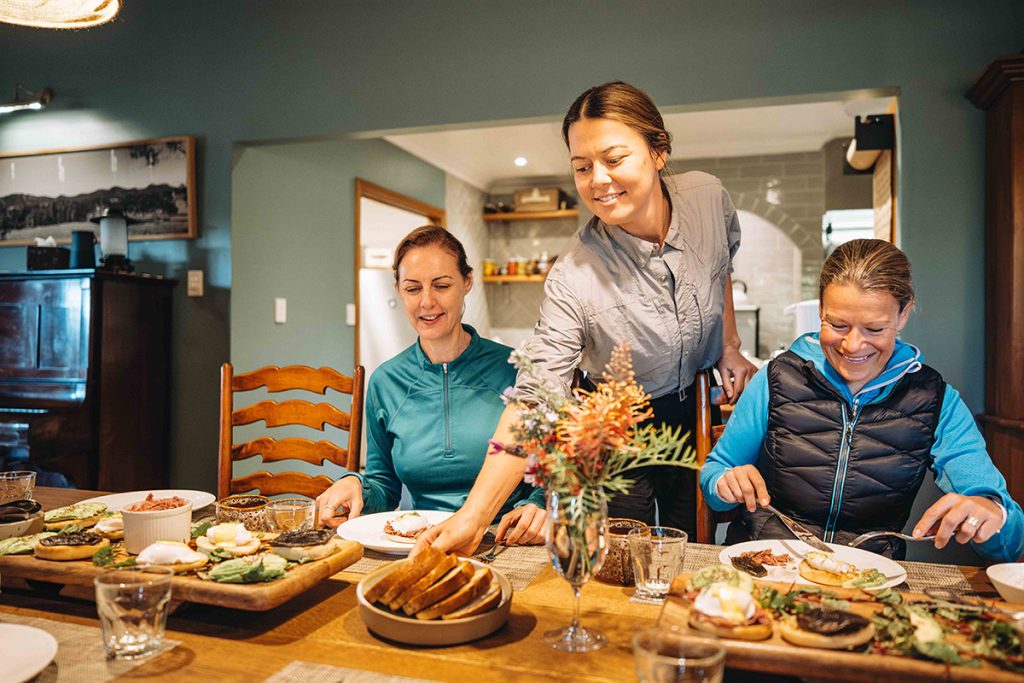
- From small rituals (morning coffee on the deck) to the unexpected (spotting wildlife, stargazing away from city lights), it’s the little things that add up.
The Power of Anticipation
Booking an exclusive group journey is about more than the walk itself. Iit’s about the months of excitement, the shared planning, training and the collective story you start building together.
Imagine the messages in the lead-up:
“What should we pack?”
“Who’s bringing the camera?”
“I’ve been wearing in my new boots, they’re feeling great!”
“Can you believe it’s only a month away?”
“Wow, only 2 more sleeps to go!”
We know those details matter. That’s why you’ll get:
- Warm, personal pre-trip updates
- Packing lists tailored to your specific walk
- Local tips and stories to spark your imagination
- Flexible options for upgrades or special touches
- Friendly support, whenever you need it
Featured Group Experience: The Scenic Rim Trail
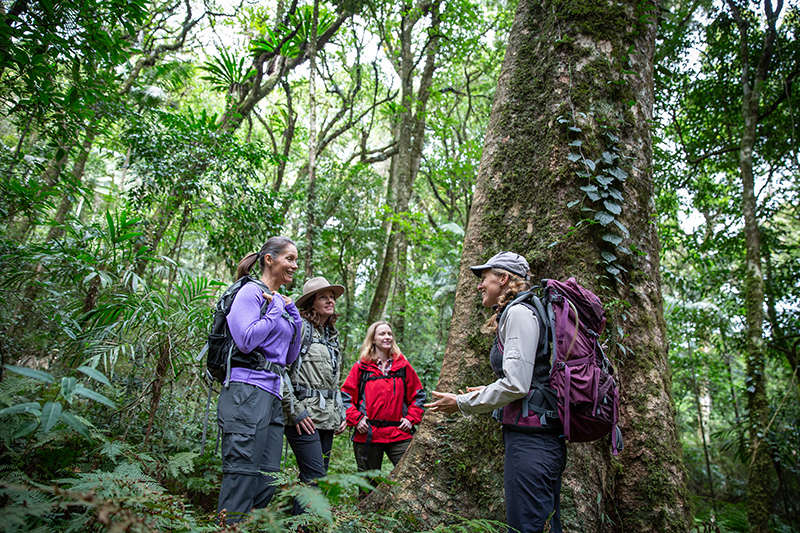
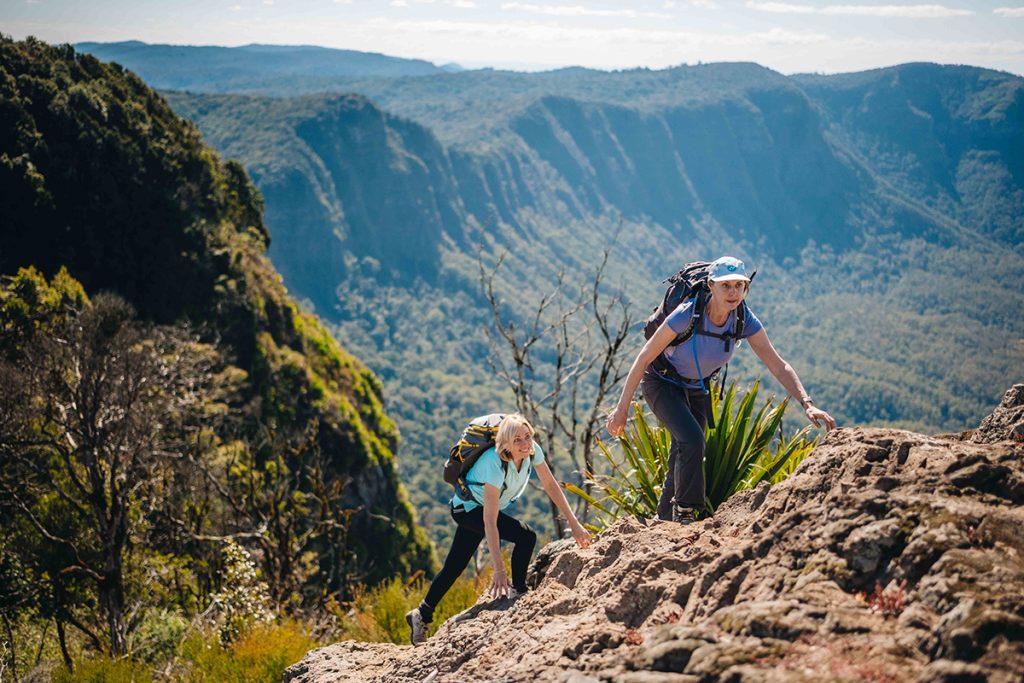
A short drive from Brisbane, the Scenic Rim Trail offers rolling ridges, golden sunsets, and genuine Australian hospitality. Having the Scenic Rim Trail all to yourselves means laughter without distractions, moments to savour together, and memories that last a lifetime from exploring Queensland’s World Heritage–listed Gondwana Rainforest. Journey through ancient volcanic plateaus, lush rainforests, and dramatic escarpments shaped over millions of years. Traverse private nature refuges and national park trails, guided by experts who bring to life the stories of the land, its rare wildlife, and deep cultural heritage. Spot wallabies on ridgelines, hear the calls of Albert’s lyrebirds, and walk beneath towering strangler figs and hoop pines. Each evening, retreat to architecturally designed eco-lodges where modern comfort meets wilderness seclusion. Enjoy chef-inspired meals showcasing local produce, with fine Australian wines shared around the table. This four-day walk combines natural wonder and connection providing an unforgettable immersion in one of Australia’s most spectacular landscapes.
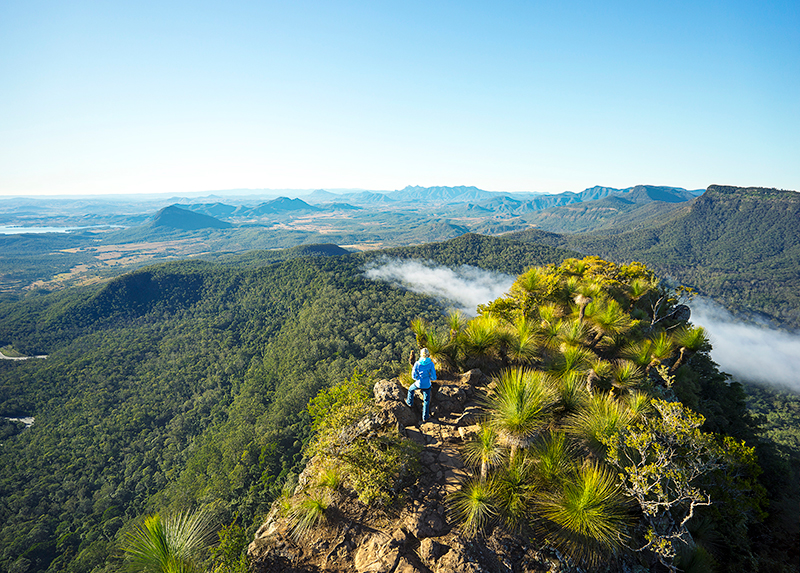
The Scenic Rim Trail is one of 15 Great Walks of Australia that can be booked for exclusive use. Enquire today about the walk of your choice from our collection and turn ‘one day’ into TODAY. Let’s make the trip of lifetime happen for you and your companions.
Frequently Asked Questions
What’s included in an exclusive group booking?
Everything: accommodation, all meals, local guides, transfers, and full planning support.
How many people can join?
Group size varies by walk (typically 8–14). Contact us with your group size and we’ll advise.
Can you cater for dietary or accessibility needs?
Absolutely. Please let us know in advance, and we’ll handle the rest.
Is this suitable for first-timers?
Yes. We match the experience to your group’s comfort and interests.
How far ahead should we book?
The earlier the better, especially for popular walks and peak dates, as iconic walks may book out 12+ months in advance.
Ready to Book the Date?
Some plans deserve more than good intentions.
If you’ve been waiting for the right moment to say “yes” to time together, this is your sign.
Let’s start building the anticipation — and the memories — now.
Contact our team to secure your dates.
The Real Magic Behind the Tracks and Trails
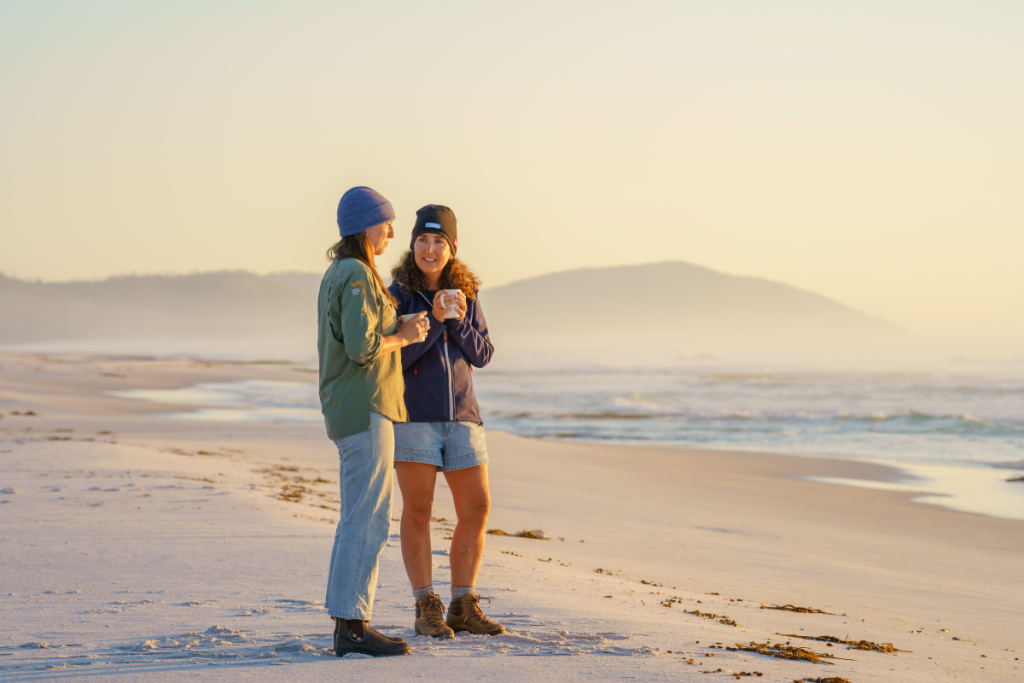
If you ask someone what draws them to Australia’s famous walking trails, the answer usually starts with the landscapes: ancient peaks, endless beaches, red deserts, forests rich with scent and silence. These are the scenes you see in the brochures. Yet talk to any walker, months or years after their journey, and you’ll hear stories of something deeper. The small, unexpected moments that shift the soul and become the beating heart of the adventure.
This blog lifts the lid on the real moments that define a multi-day guided walk across Australia’s extraordinary terrain. It’s not the muscle-burn of a tough ascent or the postcard view at the summit. It’s the quiet, unexpected, and profoundly human experiences that linger long after your boots are packed away.
Quick Summary
- The most powerful moments are often the quietest: sunrise stillness, shared stories, chance wildlife sightings.
- Connection with nature, guides, fellow walkers, and yourself. This defines these journeys.
- Sensory details (smells, sounds, touch) are as memorable as the views.
- Local culture, expert guidance, and thoughtful care deepen the experience.
- The emotional payoff: pride, awe, calm, joy, and a sense of belonging.
Let’s walk through the top twenty moments that walkers remember most.
- The Hush of Dawn Before the Birds Begin
There’s a deep, grounding stillness on the trail just before sunrise. A sense that nature is holding its breath with you, waiting for the first birdsong. - The First Brew in the Crisp Morning Air
Imagine wrapping cold fingers around a steaming mug, brewed by your guide as the day’s anticipation builds. It’s a small ritual, yet sets the emotional tone: you’re cared for, and the day’s possibilities are wide open. - When a Guide Shares a Story That Changes Everything
A single story about the land’s cultural heritage, ecology, or geology can be transformative. Suddenly, the rocks and trees tell their own tales, and the ground beneath your feet feels more alive. - The Moment Your Legs Find Their Rhythm
After the initial push, there’s a gentle settling in your stride. Breath, pace, and mind all in sync. It’s grounding and calming, a physical meditation. - Light Moving Across the Landscape at Sunrise
Watching ridges, coastlines, or desert plains reveal themselves layer by layer as light shifts. It’s a slow, quiet spectacle, and it feels like a reward for waking early. - A Wildlife Encounter That Feels Like a Blessing
A joey peeks from a pouch, a line of emu chicks follows their father, an echidna shuffles across the track. These are rare gifts, moments of pure wonder. - Turning a Corner to a Surprise Picnic
A secluded beach, a quiet forest clearing, a hilltop with a view and a picnic spot waiting. Delight, gratitude, and a sense that someone is looking out for you. - Realising You Haven’t Checked Your Phone
There’s a rare joy in the clarity that comes when you forget about notifications and simply walk, present in the moment and place. - Conversations That Flow Easily and Sincerely
Stories you’d never hear anywhere else. Strangers becoming friends through the shared rhythm of the trail. - Reaching a Lookout to a Warm Snack or Drink
That small gesture. A guide handing you a hot drink or snack at a windswept lookout. It feels wonderfully big after a good walk. - The Smell of Eucalyptus After Rain
A scent that hits with nostalgia, clarity, and awe. It’s pure Australia, and it lingers long after the walk is over. - Watching the Landscape Change in a Single Day
Forest to coastline, gorge to plateau, rainforest to open plain. It feels like you’ve visited several worlds in one walk. - Seeing Where You Walked Earlier That Day
Glancing back and spotting a distant ridge or bay you crossed earlier. It’s pride, perspective, and the thrill of progress. - Arriving to the Warm Glow of Your Lodge or Hut
After hours on the trail, that first glimpse of warm light. Delightful comfort, care, and a sense of arrival. - Sitting Down to Chef-Inspired Dishes
Local produce, native flavours, paired wines, laughter around the table. Meals become rituals, highlights in themselves. - A Sky Full of Stars Without Light Pollution
The Milky Way arches overhead, impossibly clear. Many walkers have never seen a sky like this before. - Hearing the Ocean Long Before You See It
The sound pulls you forward with anticipation, heart beating a little faster. - When a Guide Points Out a Hidden Detail
A rare wildflower, a tiny bird, a secret track marker, a cultural site you’d have missed. Expertise turns to magic. - Feeling Genuinely Cared For
From tips for packing to anticipating your needs, the thoughtfulness of your guides creates a deep, rare sense of ease and immense gratitude. - The Quiet Moment Before Sleep
Muscles tired in the best way, heart full, mind clear. This is a rare contentment that’s hard to find anywhere else.
Why These Moments Matter
Yes, the views on the Great Walks of Australia journeys are absolutely extraordinary. And what truly stays with walkers are these small, human, and heartfelt moments, woven through each day by the rhythm of nature, the skill and care of your guides, and the freedom to be present in a remarkable place. These aren’t just walks. They’re living, breathing stories that you carry home, stitched together by joy, wonder, and real connection.
Ready to Find Your Walk?
If you’re curious which trail or track might speak to your spirit, our expert walking operators can help you find the right adventure. Whether you crave wild coasts, ancient ranges, or slow, sensory discovery, each journey is made of many steps, yet it’s these moments that define it.
Whether you’re new to walking holidays or a seasoned hiker, there’s a track with your name on it. Browse the full Great Walks of Australia collection and find the route that calls you, and if you’re still not sure where to start, sign up for our eNews for regular updates, practical tips, and stories from the trails or enquire here with any questions or queries you may have.
FAQ
What’s the best time of year for Great Walks in Australia?
It depends on the region. We provide year-round walking opportunities. Coastal trails are stunning in spring and autumn, while some inland walks are best in the cooler months. Always check with the operator for seasonal tips and find out more on walking seasons across Australia here.
Are these walks suitable for first-time multi-day walkers?
Absolutely. Most guided walks cater to a range of fitness levels and offer support, comfort, and expert guidance. Let the team know your experience level when enquiring or at time of booking.
What should I pack for a multi-day walk?
Essentials include sturdy boots, weather-appropriate layers, a good rain jacket, hat, sunscreen, and a sense of curiosity. Most walks provide a detailed packing list.
How much wildlife might I see?
Encounters vary, and of course are not 100% guaranteed, however walkers often spot kangaroos, wallabies, echidnas, emus, and wide and varied range of birdlife. Guides know where to look and how to maximise your chances of respectful viewing.
What’s included in a guided multi-day walk?
Most Great Walks of Australia packages include unique accommodation, meals, snacks and expert guiding. Check the specific walk for details for more information on beverages, transfers if and when appropriate, luggage requirements and optional extra’s that may be available at an additional cost for massage or other spa related treatments.
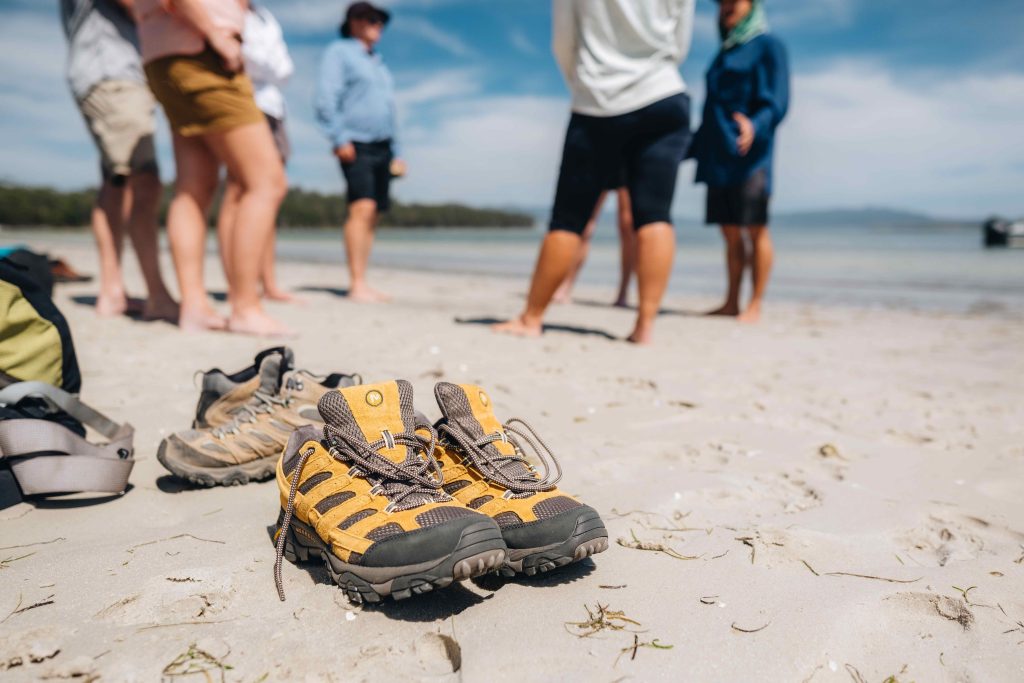
There’s a particular kind of anticipation that settles in once you’ve decided to take on one of Australia’s Great Walks. It starts as a flutter of excitement. Maybe you’re picturing yourself tracing a winding path through eucalyptus, feeling the weight of your pack, or catching the scent of rain on cool earth. If you’re at the dreaming stage, you’re not alone; many hikers find themselves clicking through photos, imagining their boots crunching through gravel, long before any real planning begins.
What follows is a gentle invitation. Not just to conquer kilometres, but to truly feel every moment on the trail. Preparing for a Great Walk of Australia isn’t only about physical fitness or gear checklists, it’s about tuning into the quiet joy of anticipation, picturing yourself in a landscape that’s both exhilarating and grounding, and making choices that let you savour the experience from the first training walk to the last shared meal under the stars.
Summary
- Preparing early transforms the walk from a challenge to a deeply rewarding experience.
- Building trail fitness adds to your enjoyment and reduces the risk of injury.
- The right gear, especially comfortable, well-fitted boots – makes all the difference.
- Sensory details, like the smells and sounds of the trail, are as important as the views.
- Local tips and gradual, mindful prep build confidence and deepen your connection to the journey.
Building Your Trail Fitness: Slow, Steady, and Sensory
Most Great Walks of Australia stretch over 10 to 15 kilometres a day, often across terrain that changes as quickly as the weather. Imagine the crunch of gravel underfoot, a sudden chill when clouds gather, or muscles warming as you climb a sun-dappled ridge. The experience is richer when your body is ready for it.
Start three months out, if you can. Begin with short walks, letting your legs remember the rhythm of steady movement. Add hills, feeling your breath deepen and your stride adjust as the gradient shifts. If your walk involves carrying your gear, fill your pack and test it on longer routes; listen to what your shoulders and back tell you. Aerobic exercise whether running, cycling, swimming – these all build stamina, however it’s the gradual layering of distance and hills that prepares both mind and body for the journey.
Consider adding yoga or pilates. These sessions aren’t just for limber muscles, but for the quiet sense of balance and focus that stays with you when you’re on the trail and the world narrows to the sound of your own breathing.
Gear that Works: Comfort, Familiarity, and Trust
When you’re walking for hours, your gear becomes part of you. The right pack sits easily on your shoulders. A rain jacket (well chosen) keeps you dry without turning every step into a furnace. Simple checks make a difference: are the zips working? Is your rain cover easy to grab in a hurry? For most Great Walks, essentials like packs and raincoats are provided, however if you have a favourite piece of equipment that’s weathered other adventures with you, that familiarity brings quiet reassurance.
Boots are non-negotiable. Choose comfort and support over looks or trends. Shop in person, if you can. Try them on slopes, walk around the store until you forget you’re not already on the track. Break them in over several weeks. Blisters and aching arches don’t need to be part of your story. Before you set out, check for signs of wear: aging glue or tired soles can unravel your plans as quickly as a surprise storm.
Poles are optional, but if you think you might use them, carry them on your longer practice walks. That way, they’ll feel like an extension of your movements, not an afterthought.
Where to Find the Right Gear
While brands like Scarpa, Merrell, and Keen are popular, the most important thing is fit. National retailers such as Paddy Pallin, Mac Pac, Anaconda, and Kathmandu offer a good range, and local stores like Mountain Equipment (NSW), Bogong (VIC), or Find Your Feet (Tasmania) know the local trails and conditions. The staff there are often hikers themselves and their advice is rarely just theoretical but incredibly practical.
The Emotional Prep: Daydreams, Doubts, and Small Rituals
Preparing for a Great Walk isn’t just about ticking boxes. It’s about letting yourself lean into the anticipation. Spend time on the Great Walks of Australia website, letting your imagination wander through the different landscapes. Picture yourself pausing on a ridgeline, wind tugging at your hat, or sharing a quiet moment with new friends as the sun dips behind distant peaks.
Allow space for nerves or doubts as they’re a normal part of the process. Every confident walker you see has felt them. The gentle chafing of a loaded pack on your first long walk, the surprise of discovering a muscle, two or a few that you never knew you had (or had perhaps forgotten about), these are reminders that you’re preparing not just your body, but your spirit.
If you need a nudge, make a call to your chosen Walk Operator – they all have planning guides for each of their walks. Sometimes having a simple, practical checklist in hand (or sitting on the fridge) is all it takes to turn uncertainty into a quiet sense of readiness.
The Small Moments That Stay With You
Ask seasoned walkers what they remember most and it’s rarely just the summit views. It’s the smell of baking bread drifting from a town as you pass through, the way your pack feels lighter after lunch, or the laughter that bubbles up when someone slips in the mud and everyone helps brush them off. These moments rarely make it into the glossy brochures, yet they are what define a walk as meaningful and memorable for many years to come.
FAQs
How far should I train before my Great Walk?
Aim for at least one 10km walk per week in the months leading up to your trip, mixing in hills and carrying your pack if you’ll be doing so on the walk itself.
What gear is essential for the Great Walks of Australia?
A three-layer waterproof rain jacket, a comfortable daypack or overnight pack, and well-fitted boots are key. Check supplied gear lists and make sure your equipment is in good working order.
How do I break in new hiking boots?
Start wearing them on short walks, gradually increasing distance. Make sure to walk on different surfaces and tackle some hills to check for fit issues.
Where can I get fitted for hiking boots in Australia?
Specialist outdoor stores like Paddy Pallin, Mac Pac, Anaconda, and local outfitters such as Bogong or Find Your Feet offer professional fitting and advice.
Do I need walking poles?
Poles are optional; some find them helpful for stability on uneven ground or descents. If you haven’t used them before, try them out on training walks to see if they suit your style.
P.S If you’re ready to turn daydreams into real footsteps, request your Planning Guide here to lock in the ideal Great Walk of Australia that suits you. Start your journey with quiet confidence, knowing every step is part of something extraordinary.
Discover the Newest Signature Walks in Australia’s Iconic Collection of Premium Multi-Day Guided Hiking Experiences.
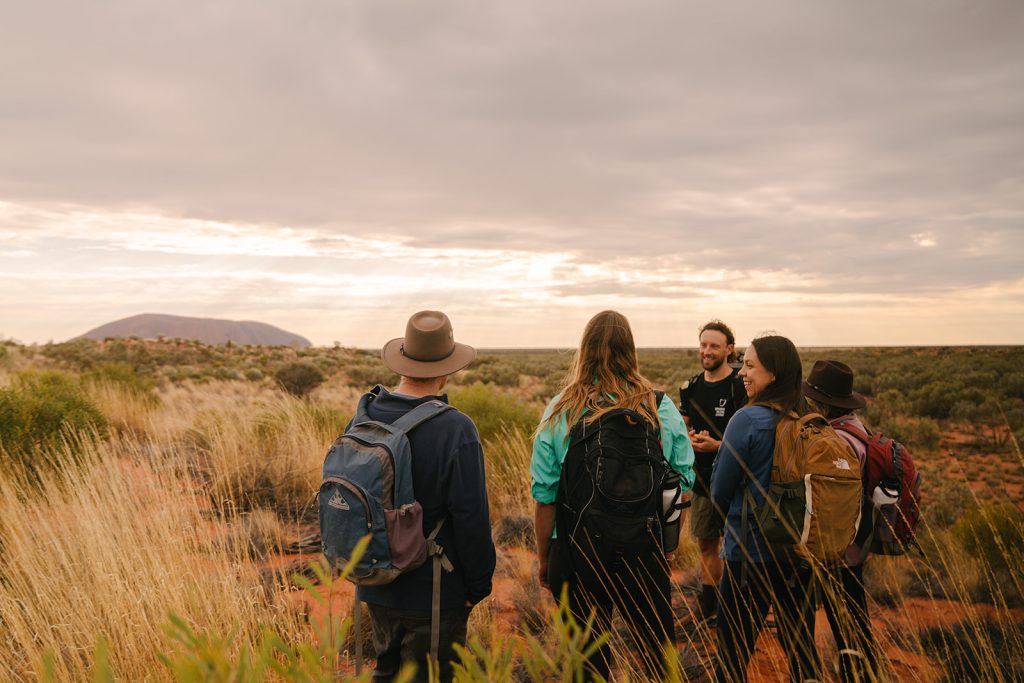
Today marks an exciting day for passionate walkers and nature lovers: Great Walks of Australia proudly welcomes two brand new experiences to Tourism Australia’s Signature Experiences collective. The Uluṟu–Kata Tjuṯa Signature Walk and the Kangaroo Island Signature Walk. If you’ve been dreaming of your next journey into Australia’s wild, breathtaking heart, these world-class, guided walks promise connection, immersion, and a new benchmark for sustainable travel.
In a hurry? Here’s what’s new:
- Two new Signature Walks: Uluṟu–Kata Tjuṯa (NT) & Kangaroo Island (SA), both operated by Tasmanian Walking Company
- All-inclusive, fully guided, multi-day adventures: Comfort, safety, and deep cultural & natural immersion
- Exclusive access: Uluṟu–Kata Tjuṯa Signature Walk is the only walk offering overnight stays inside the National Park
- Small group journeys: Maximum 14–16 guests per walk
- Sustainable, premium experiences: Carbon neutral, eco-certified, chef-inspired and guide-prepared meals, and unique accommodations
Why These Walks Matter
If you’ve explored one of our existing Great Walks of Australia, you will know these aren’t “just” hikes. They’re curated journeys shaped by story, landscape, and shared experience. With these new additions, the collection now offers 15 of the country’s most remarkable, premium nature-based adventures.
Genevieve Matthews, Executive Officer of Great Walks of Australia, captures the spirit of this expansion:
“Uluṟu–Kata Tjuṯa and Kangaroo Island Signature Walks offer guests an extraordinary combination of nature immersion, expert guides, comfort, culture, and storytelling, which defines what makes a Great Walk of Australia truly great. These walks add both heart and a new edge to our collection.”
Spotlight: Uluṟu–Kata Tjuṯa Signature Walk
Five Days, Four Nights | 54km | Max 16 Guests | From $5,395pp
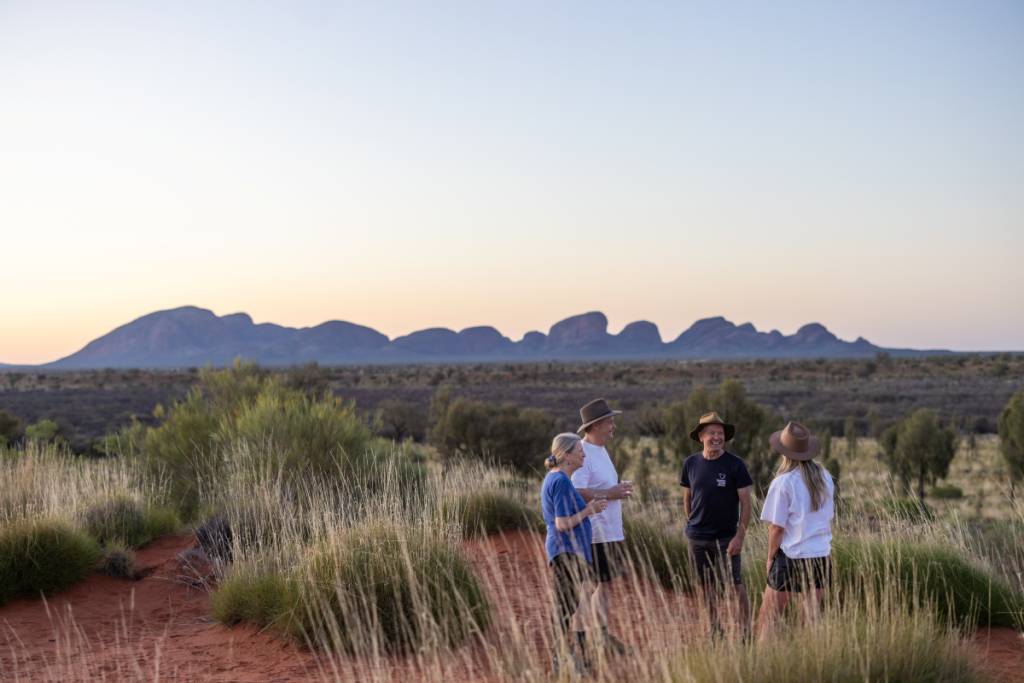
If you’ve ever felt the pull of the Red Centre, this is your invitation to walk deeper. Developed in partnership with Aṉangu Traditional Owners, the Uluṟu-Kata Tjuṯa Signature Walk is the first and only multi-day experience offering exclusive overnight stays inside the National Park itself.
- Access: Yulara (Ayers Rock Airport)
- Season: April–September
- Accommodation: Eco-camps and private lodge, inside the National Park
- Highlights:
- Guided in partnership with Aṉangu Traditional Owners and expert storytellers
- Chef-inspired meals under star-filled skies
- Optional wellness therapies
- Deep cultural workshops and connection to Country
- Small groups, carrying only a day pack
- End each day with desert sunrises, ancient geology, and moving stories
Brett Godfrey, Co-Owner of Tasmanian Walking Company, describes it best:
“A decade in development, but 500 million years in the making, the Uluṟu-Kata Tjuṯa Signature Walk is a five-day, fully guided, premium hiking experience inside Uluṟu-Kata Tjuṯa National Park that was developed in partnership with Aṉangu Traditional Owners. Guided by both indigenous partnership and a culture more than 40,000 years old, it has been a long-held dream to be granted overnight access within the World Heritage-listed National Park. Our guests will journey across Country, staying in our new flagship, environmentally sensitive, high-quality private camps and lodge. It’s an experience that unites comfort with a genuine connection to the heart of Australia.” Mr Godfrey said.
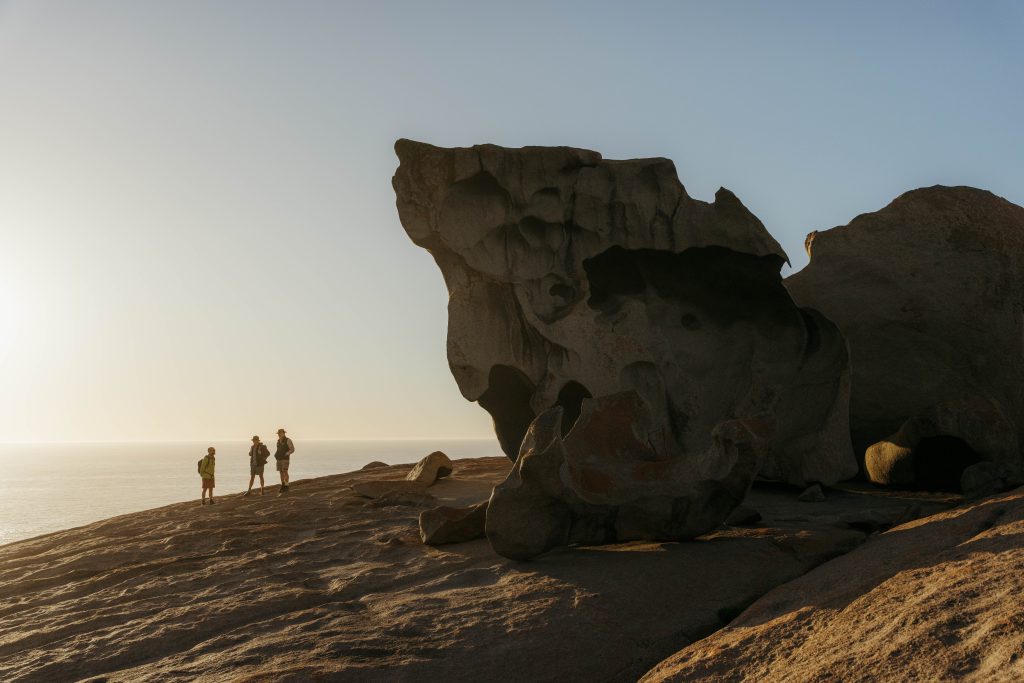
Spotlight: Kangaroo Island Signature Walk
Four Days, Three Nights | 46km | Max 14 Guests | From $2,995pp
Few places on earth feel as alive, and as untamed – as Kangaroo Island. This four-day, fully guided adventure reveals the island’s most spectacular corners, from lush rainforest and wild bushland to the dramatic coastal cliffs and geological icons like Admirals Arch and Remarkable Rocks.
- Access: Return transfers from Adelaide (including ferry)
- Season: September–December, February–May
- Accommodation: Heritage-listed Cape du Couedic Lightkeeper Cottages (built 1907)
- Features:
- Follow the Kangaroo Island Wilderness Trail in Flinders Chase National Park
- Encounter sea lions, wallabies, echidnas, rare birds
- Chef-prepared meals with local produce, paired with premium South Australian wines
- 100% carbon neutral, Advanced Ecotourism Australia certified
- Extra touches: use of backpack, weatherproof jacket, small group support
As Mr. Godfrey shares:
“The Island is back! Kangaroo Island Signature Walk invites guests to explore the wild beauty of Kangaroo Island on a four-day guided journey combining rugged coastal cliffs, pristine bushland, and abundant native wildlife. This all-inclusive experience features heritage lighthouse accommodation, chef-prepared meals, and expert guides who bring the island to life.”
A New Chapter for Australian Walking
Robin Mack, Acting Manager Director, Tourism Australia said today’s announcement strengthens the world-class nature-based tourism offering Great Walks of Australia represents.
“Great Walks of Australia is a collection of safe, all-inclusive, multi-day hiking experiences that allows visitors to be immersed in the country’s most spectacular landscapes and wilderness areas. Kangaroo Island Signature Walk and Uluṟu-Kata Tjuṯa Signature Walk provide both domestic and international tourists with an invitation to deeply connect with nature, culture and place. ” Mr Mack said.
The New Walks At a Glance
| Walk | Duration | Distance | Group Size | Price (from) | Season | Accom |
|---|---|---|---|---|---|---|
| Uluṟu–Kata Tjuṯa | 5 days / 4 nights | 54km | 16 | $5,395pp | Apr–Sep | Private eco-camp & lodge |
| Kangaroo Island | 4 days / 3 nights | 46km | 14 | $2,995pp | Sep–Dec, Feb–May | Heritage light- house cottages |
FAQ
How do I book a place on these walks?
Both walks are available through Great Walks of Australia’s website or via Tasmanian Walking Company.
What fitness level is required?
Both walks are rated moderate, suitable for walkers with a reasonable level of fitness.
Are the walks all-inclusive?
Yes. All meals, drinks, accommodation, expert guides, transfers, park fees, and selected gear are included.
Are there solo or single supplement options?
Yes, single supplements are available.
How are these walks different from others in the collection?
Uluṟu–Kata Tjuṯa Signature Walk, is the only walk offering exclusive overnight stays inside the National Park with deep cultural immersion. Kangaroo Island Signature Walk offers heritage accommodation, chef-inspired meals, and one of Australia’s most wildlife-rich landscapes.
Where can I learn more or see photos?
Visit greatwalksofaustralia.com.au/our-walks for details, images, and booking info.