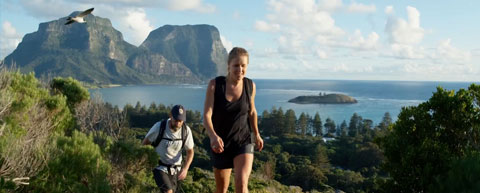
Training Tips for Preparing for Your Great Walk of Australia
Category: Inspiration
There’s a particular kind of anticipation that settles in once you’ve decided to take on one of Australia’s Great Walks. It starts as a flutter of excitement. Maybe you’re picturing yourself tracing a winding path through eucalyptus, feeling the weight of your pack, or catching the scent of rain on cool earth. If you’re at the dreaming stage, you’re not alone; many hikers find themselves clicking through photos, imagining their boots crunching through gravel, long before any real planning begins.
What follows is a gentle invitation. Not just to conquer kilometres, but to truly feel every moment on the trail. Preparing for a Great Walk of Australia isn’t only about physical fitness or gear checklists, it’s about tuning into the quiet joy of anticipation, picturing yourself in a landscape that’s both exhilarating and grounding, and making choices that let you savour the experience from the first training walk to the last shared meal under the stars.
Summary
- Preparing early transforms the walk from a challenge to a deeply rewarding experience.
- Building trail fitness adds to your enjoyment and reduces the risk of injury.
- The right gear, especially comfortable, well-fitted boots – makes all the difference.
- Sensory details, like the smells and sounds of the trail, are as important as the views.
- Local tips and gradual, mindful prep build confidence and deepen your connection to the journey.
Building Your Trail Fitness: Slow, Steady, and Sensory
Most Great Walks of Australia stretch over 10 to 15 kilometres a day, often across terrain that changes as quickly as the weather. Imagine the crunch of gravel underfoot, a sudden chill when clouds gather, or muscles warming as you climb a sun-dappled ridge. The experience is richer when your body is ready for it.
Start three months out, if you can. Begin with short walks, letting your legs remember the rhythm of steady movement. Add hills, feeling your breath deepen and your stride adjust as the gradient shifts. If your walk involves carrying your gear, fill your pack and test it on longer routes; listen to what your shoulders and back tell you. Aerobic exercise whether running, cycling, swimming – these all build stamina, however it’s the gradual layering of distance and hills that prepares both mind and body for the journey.
Consider adding yoga or pilates. These sessions aren’t just for limber muscles, but for the quiet sense of balance and focus that stays with you when you’re on the trail and the world narrows to the sound of your own breathing.
Gear that Works: Comfort, Familiarity, and Trust
When you’re walking for hours, your gear becomes part of you. The right pack sits easily on your shoulders. A rain jacket (well chosen) keeps you dry without turning every step into a furnace. Simple checks make a difference: are the zips working? Is your rain cover easy to grab in a hurry? For most Great Walks, essentials like packs and raincoats are provided, however if you have a favourite piece of equipment that’s weathered other adventures with you, that familiarity brings quiet reassurance.
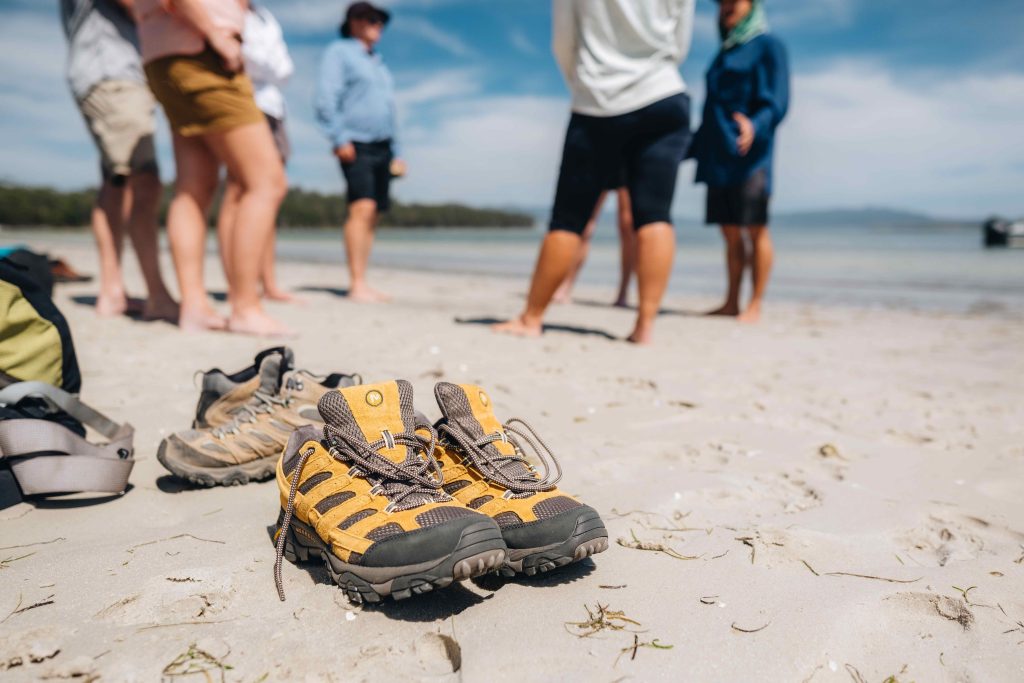
Boots are non-negotiable. Choose comfort and support over looks or trends. Shop in person, if you can. Try them on slopes, walk around the store until you forget you’re not already on the track. Break them in over several weeks. Blisters and aching arches don’t need to be part of your story. Before you set out, check for signs of wear: aging glue or tired soles can unravel your plans as quickly as a surprise storm.
Poles are optional, but if you think you might use them, carry them on your longer practice walks. That way, they’ll feel like an extension of your movements, not an afterthought.
Where to Find the Right Gear
While brands like Scarpa, Merrell, and Keen are popular, the most important thing is fit. National retailers such as Paddy Pallin, Mac Pac, Anaconda, and Kathmandu offer a good range, and local stores like Mountain Equipment (NSW), Bogong (VIC), or Find Your Feet (Tasmania) know the local trails and conditions. The staff there are often hikers themselves and their advice is rarely just theoretical but incredibly practical.
The Emotional Prep: Daydreams, Doubts, and Small Rituals
Preparing for a Great Walk isn’t just about ticking boxes. It’s about letting yourself lean into the anticipation. Spend time on the Great Walks of Australia website, letting your imagination wander through the different landscapes. Picture yourself pausing on a ridgeline, wind tugging at your hat, or sharing a quiet moment with new friends as the sun dips behind distant peaks.
Allow space for nerves or doubts as they’re a normal part of the process. Every confident walker you see has felt them. The gentle chafing of a loaded pack on your first long walk, the surprise of discovering a muscle, two or a few that you never knew you had (or had perhaps forgotten about), these are reminders that you’re preparing not just your body, but your spirit.
If you need a nudge, make a call to your chosen Walk Operator – they all have planning guides for each of their walks. Sometimes having a simple, practical checklist in hand (or sitting on the fridge) is all it takes to turn uncertainty into a quiet sense of readiness.
The Small Moments That Stay With You
Ask seasoned walkers what they remember most and it’s rarely just the summit views. It’s the smell of baking bread drifting from a town as you pass through, the way your pack feels lighter after lunch, or the laughter that bubbles up when someone slips in the mud and everyone helps brush them off. These moments rarely make it into the glossy brochures, yet they are what define a walk as meaningful and memorable for many years to come.
FAQs
How far should I train before my Great Walk?
Aim for at least one 10km walk per week in the months leading up to your trip, mixing in hills and carrying your pack if you’ll be doing so on the walk itself.
What gear is essential for the Great Walks of Australia?
A three-layer waterproof rain jacket, a comfortable daypack or overnight pack, and well-fitted boots are key. Check supplied gear lists and make sure your equipment is in good working order.
How do I break in new hiking boots?
Start wearing them on short walks, gradually increasing distance. Make sure to walk on different surfaces and tackle some hills to check for fit issues.
Where can I get fitted for hiking boots in Australia?
Specialist outdoor stores like Paddy Pallin, Mac Pac, Anaconda, and local outfitters such as Bogong or Find Your Feet offer professional fitting and advice.
Do I need walking poles?
Poles are optional; some find them helpful for stability on uneven ground or descents. If you haven’t used them before, try them out on training walks to see if they suit your style.
P.S If you’re ready to turn daydreams into real footsteps, request your Planning Guide here to lock in the ideal Great Walk of Australia that suits you. Start your journey with quiet confidence, knowing every step is part of something extraordinary.